Rate-Hike Odds Climb Above 70 Percent as Oil and Treasury Yields Keep Rising
Futures pricing moved sharply on Thursday after the European Central Bank raised its own benchmark and crude extended a run driven by the conflict in the Gulf.
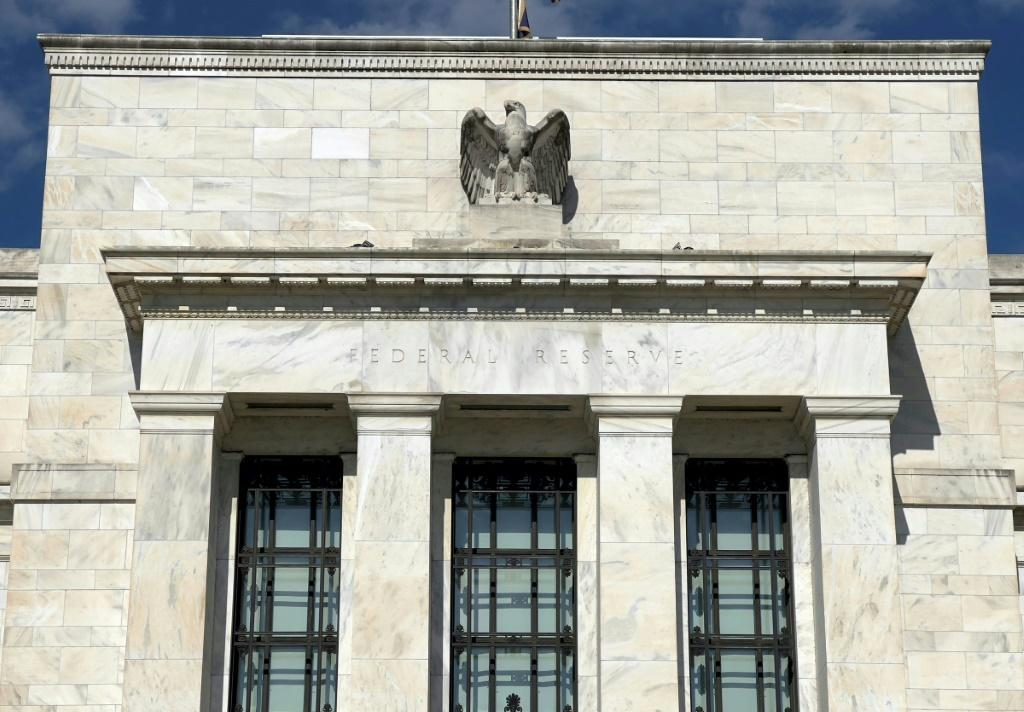
The probability that the Federal Reserve raises interest rates at next week's meeting climbed above 70 percent on Thursday, as oil prices and Treasury yields both continued to rise.
Odds implied by futures pricing stood at 71.6 percent, according to the CME Group's FedWatch tool, up from 61.2 percent the previous day. That is a ten-point move in a single session, and it is the kind of repricing that tends to happen when traders stop treating an outcome as a possibility and start treating it as the base case.
Yields moved with it. The benchmark ten-year note stood at 4.951 percent at 2:10 p.m. Eastern time, having gained more than 2.32 percent on the day.
Europe moved first
The immediate catalyst came from Frankfurt. The European Central Bank raised rates on Thursday, taking its benchmark to 2.5 percent from 2.25 percent, and pointed directly at the war between the United States and Iran as a source of continuing pressure on prices.
The decision, the bank said in its statement, "underscores the Governing Council's commitment to setting monetary policy to ensure that inflation stabilises at its 2% target in the medium term."
Its updated projections explain the urgency. Headline inflation is now expected at 3 percent this year, easing to 2.5 percent in 2027 and 2.1 percent in 2028. Underlying inflation is forecast to prove stickier: "the baseline foresees 2.5% in 2026, 2.6% in 2027 and 2.3% in 2028. Compared with June, the baseline projection for inflation in 2026 is unchanged, while it has been revised up for 2027 and 2028," the document says.
The outlook remains highly uncertain, with risks to the upside for inflation and to the downside for economic growth
An energy shock with an unknown shape
The bank was unusually direct about how little it can pin down. Its staff, it said, had produced a set of scenarios rather than a single forecast, because the effects of the energy shock depend on assumptions nobody can yet fix.
"In relation to the energy shock, the updated scenarios put together by staff illustrate the broad range of outcomes for how growth and inflation would evolve under different assumptions about its intensity and duration, as well as its indirect and second-round effects," the statement says.
The conclusion was that the decision leaves the Governing Council "well positioned to navigate the uncertainty caused by the conflict," while it "stands ready to adjust all of its instruments within its mandate to ensure that inflation stabilises at its 2% target in the medium term and to preserve the smooth functioning of monetary policy transmission."
That is a central bank saying, in its own register, that it has bought itself optionality and intends to use it.
Why crude keeps climbing
Oil rose again on Thursday as the United States and Iran continued to trade strikes in the Strait of Hormuz. The strait is the single most important chokepoint in the seaborne crude trade, and sustained exchanges there put a risk premium into the price that no amount of supply data offsets.
A second front compounded it. Iran-backed Houthi forces took control of the Yemeni port city of Mokha, raising the prospect of disruption to shipping through the Red Sea and adding another route-risk premium to the same barrel.
President Donald Trump struck a more optimistic note on Wednesday, saying he believed the "war's going to end immediately after the election because they can't hold out any longer." He added: "Right after the election, oil prices are going to be tumbling downward."
What next week turns on
For the Federal Reserve, the awkwardness is that an energy shock is a supply shock, and raising rates does nothing to produce more crude. What it can do is stop a one-off price rise from settling into expectations, which is the risk the European Central Bank explicitly named in its own statement.
Traders have now priced next week's decision as more likely than not. Between here and the meeting, the variable that matters most is not an economic release. It is the strait.
More from Markets
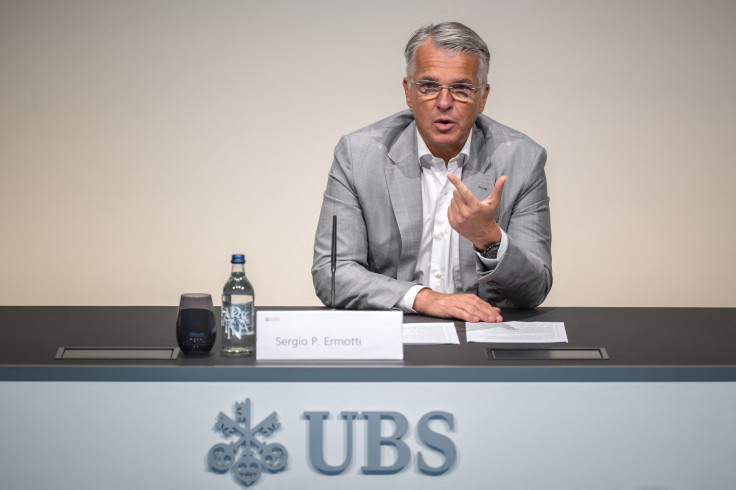
UBS's Chief Executive Says the Calm in Markets Is the Thing to Worry About
Sergio Ermotti argues that volatility should be considerably higher given the state of the world, and that new risks keep arriving before old ones…
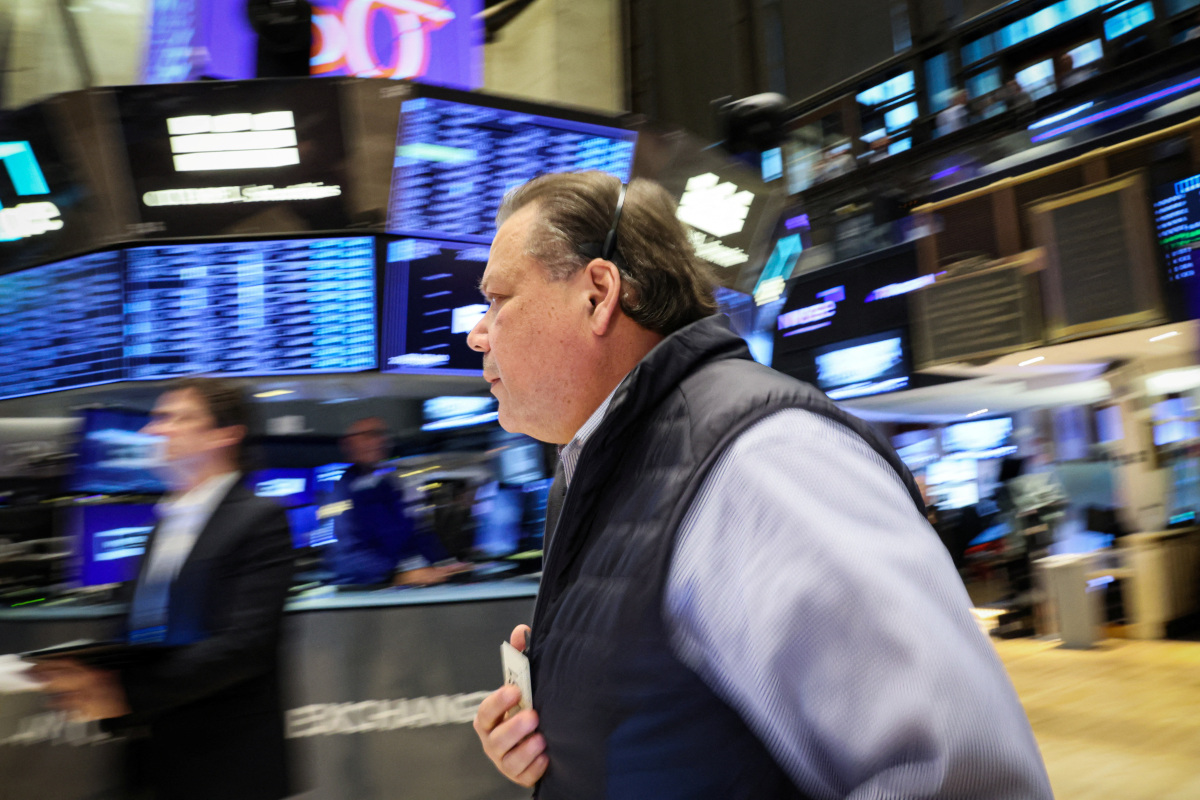
Brent Gained Nearly Seven Per Cent After the Houthis Took a Port Fifty Miles From Bab el-Mandeb
Stocks fell and ten-year yields topped 4.96 per cent while the European Central Bank raised rates on the same day, citing the war as continuing…
JPMorgan Has Upgraded Meta to Buy and Forecast Negative Free Cash Flow of 65 to 75 Billion
The bank sees roughly 30 per cent upside on the back of Meta's new AI agent, while modelling two consecutive years of cash burn on the infrastructure…