Manipulation Counts Dropped, a $90,000 Penalty Ordered: How a Swaps Case Quietly Ended
A federal judge in Manhattan ended the market manipulation case against swaps trader John Patrick Gorman III on 1 September with a $90,000 penalty over false statements to investigators, dismissing both manipulation counts with prejudice and giving no reason.
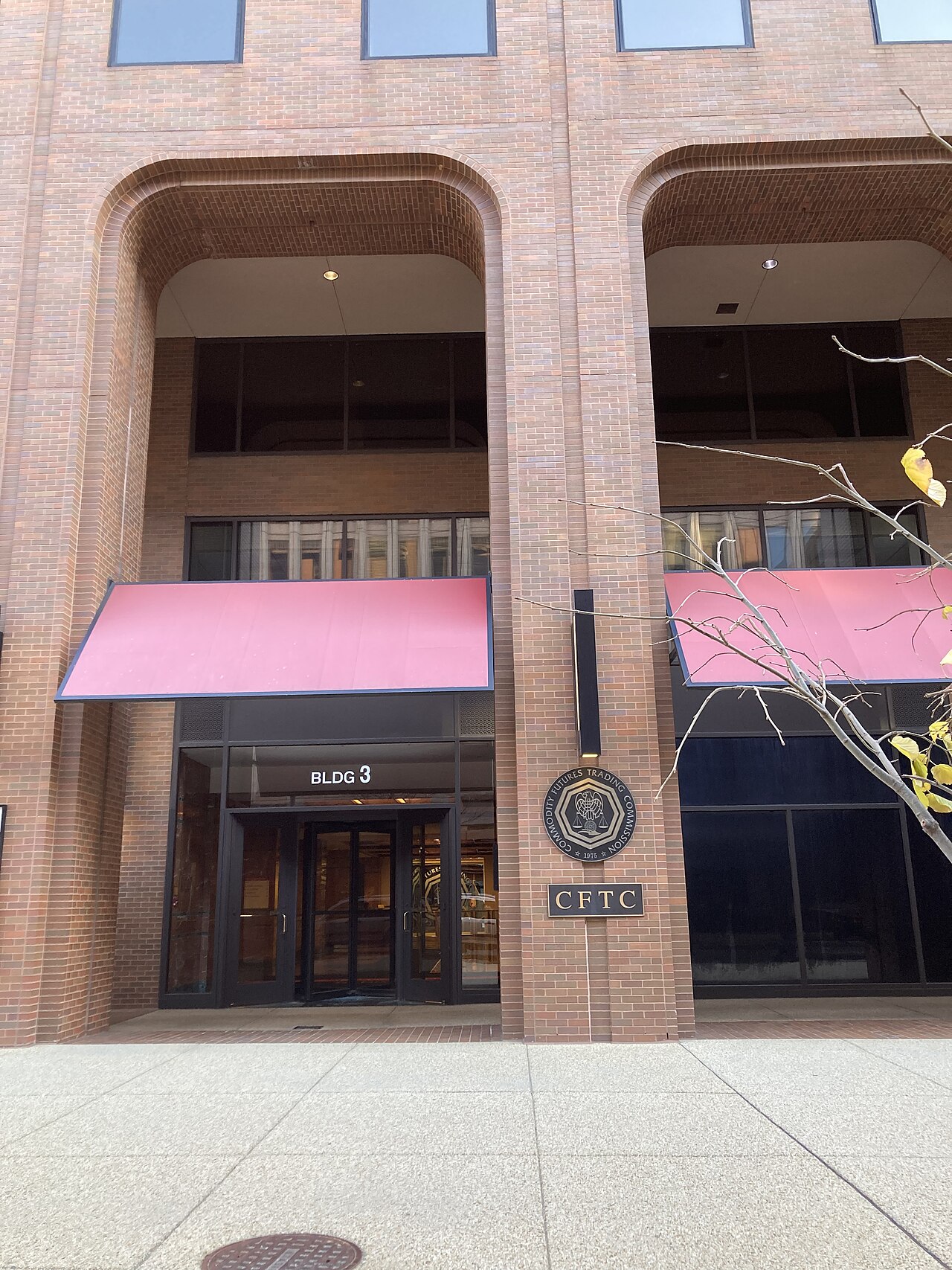
On 1 September the US District Court for the Southern District of New York entered a consent order closing the Commodity Futures Trading Commission's case against John Patrick Gorman III, a US dollar swaps trader and managing director at a global investment bank the court papers do not name. Gorman pays a civil monetary penalty of ninety thousand dollars ($90,000) and is permanently enjoined from making false statements to the Commission. The same document dismisses, with prejudice, the two manipulation counts that were the reason the case was brought five and a half years ago.
The order was filed as Document 128 in case 21-cv-870, and its title carries both halves of the outcome: "Consent Order for Permanent Injunction and Civil Monetary Penalty and Order Dismissing Counts I and II of the Complaint as to Defendant John Patrick Gorman III". The Commission announced it the same day as Release Number 9291-26.
What the order found
The findings of fact record that the Commission's Division of Enforcement sent a document preservation request through Gorman's counsel on 15 March 2019, and that he received a copy by email on 16 March. It covered communications on "any messaging application (such as Facebook, Whatsapp, Telegram, Slack, or Signal)" for the period from 1 March 2014 onward. A subpoena followed on 21 March 2019, seeking communications from 1 January 2015 concerning the Commission, bond issuances and related swap or treasury trading, and every communication with any current or former bank employee between 2 and 5 February 2015.
The finding at paragraph 22 of the order runs to a single sentence: "After Defendant became aware of the preservation request, he deleted messages, including WhatsApp messages, that were covered by the preservation request."
Gorman's personal telephone was imaged on 24 April 2019. The order records that it held no WhatsApp messages responsive to the subpoena, including messages of 5 March 2019 with the Desk Head about the Commission's investigation. It did hold ten messages exchanged with a bank swaps trader inside a twenty-minute window, with a single message from the middle of that exchange deleted. The Division recovered it, and the order quotes it: "NY had the screen. If he had the screen and it was during LDN I would do it with him. I only care who can move the screen the quickest. Not to be rude, but it's hard enough as it is."
The letter and the testimony
On 1 May 2019 Gorman's counsel wrote to the Division's Eastern Regional Office in New York, on information Gorman had given them. The letter, quoted in the order, said: "Since learning of the Voluntary Preservation Request on March 16, 2019, Defendant has not destroyed or altered any documents covered by the Voluntary Preservation Request's terms."
On 20 November 2019 Gorman gave voluntary testimony under oath at the same office. Asked whether he had complied with the preservation request, he answered "Yes." Asked what he had done in response to it, he said "the first thing I did was increase the memory on my iCloud from 50 gig to 200 so I didn't lose anything. And then that was it". Asked whether his counsel's letter was accurate, he said "I don't remember it, but I think it's accurate." Asked whether his WhatsApp exchanges with bank employees away from the swaps desk were work or social, he said "entirely social, I think."
The order finds those statements false and misleading, and finds them material because they were "capable of influencing a decision by the Commission, or hindering its investigation". The conclusions of law put that in violation of section 6(c)(2) of the Commodity Exchange Act. The injunction that follows is the entirety of the non-monetary relief: Gorman is "permanently restrained, enjoined and prohibited from directly or indirectly making any false or misleading statement of material fact to the Commission".
David I. Miller, the Commission's Director of Enforcement, said in the release: "Attempts to impede or obstruct the Commission's investigations go to the very heart of the division's ability to detect wrongdoing and enforce the law. As today's resolution shows, we have zero tolerance for false statements made to staff during the course of an investigation."
The case that was dropped
The complaint the Commission filed on 1 February 2021 carried three counts, and false statements was the third of them. Count I alleged use of a manipulative or deceptive device; Count II alleged attempted price manipulation. Both turned on a single day, 3 February 2015 in New York time, when Gorman was trading from Tokyo for a US affiliate of the bank during the pricing of a US dollar bond issuance with a ten-year maturity and a related interest rate swap between the issuer and a Japanese affiliate of the bank. The market was US dollar interest rate swap spreads at ten years, priced off a broker screen the complaint identifies only as "19901". The Commission alleged that Gorman spoke to the issuer about price during the pricing call without disclosing that he was himself trading to move ten-year swap spreads down. A message to the Desk Head about that transaction, quoted at paragraph 26 of the consent order, reads: "I will get the print at 13.25".
Those two counts are now gone for good, on terms the order states in one paragraph and never explains.
"To effect resolution of all charges in the Complaint, the parties agree and the Court directs that Counts I and II of the Complaint be dismissed with prejudice, with each party to bear its own costs and fees."
What is not on the record
Nothing in the order, the release or the docket entry says why the manipulation counts were dropped, or whether the dismissal followed an evidentiary ruling, a limitations problem, a proof problem, or a trade for the settlement of the remaining count. That is the central unanswered question of the case.
The complaint had asked for civil penalties, disgorgement, restitution, trading and registration bans, and a permanent injunction. The order delivers a penalty payable within ten days of entry, with post-judgment interest on any unpaid portion, and an injunction confined to statements made to the Commission. There is no disgorgement and no restitution. There is no trading ban and no registration ban. No document states what was earned on the February 2015 swap, and the complaint never quantified it.
Gorman consented to the order without admitting any of its findings or conclusions. The only matters he admits are the court's jurisdiction and venue.
The bank is not identified anywhere. Both the 2021 complaint and the 2026 consent order refer to it only as a global investment bank, and as "the Bank". The order records that the bank suspended Gorman from trading on or about 1 February 2021, the day the Commission filed its complaint, and that he remains employed by it; whether the suspension is still in force is not stated. Gorman is a US citizen now residing in the United Kingdom.
The release carries one related link, the consent order itself, and no separate statement or dissent from any commissioner. Whether the $90,000 was paid inside the ten days the order allows does not appear on any public document.
More from Markets
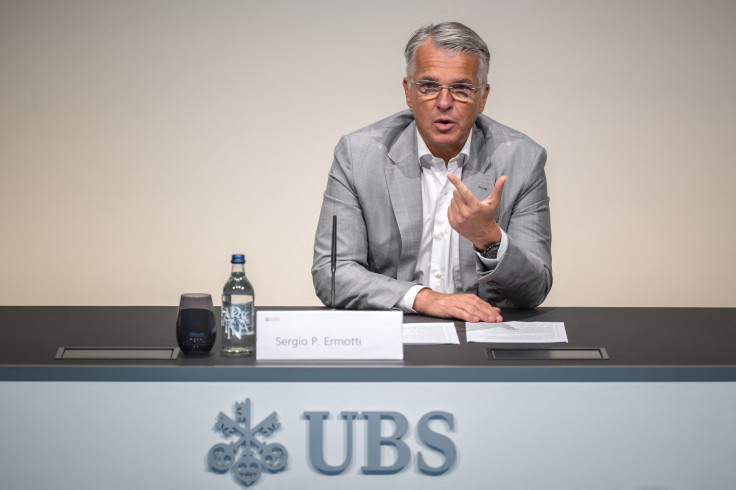
UBS's Chief Executive Says the Calm in Markets Is the Thing to Worry About
Sergio Ermotti argues that volatility should be considerably higher given the state of the world, and that new risks keep arriving before old ones…
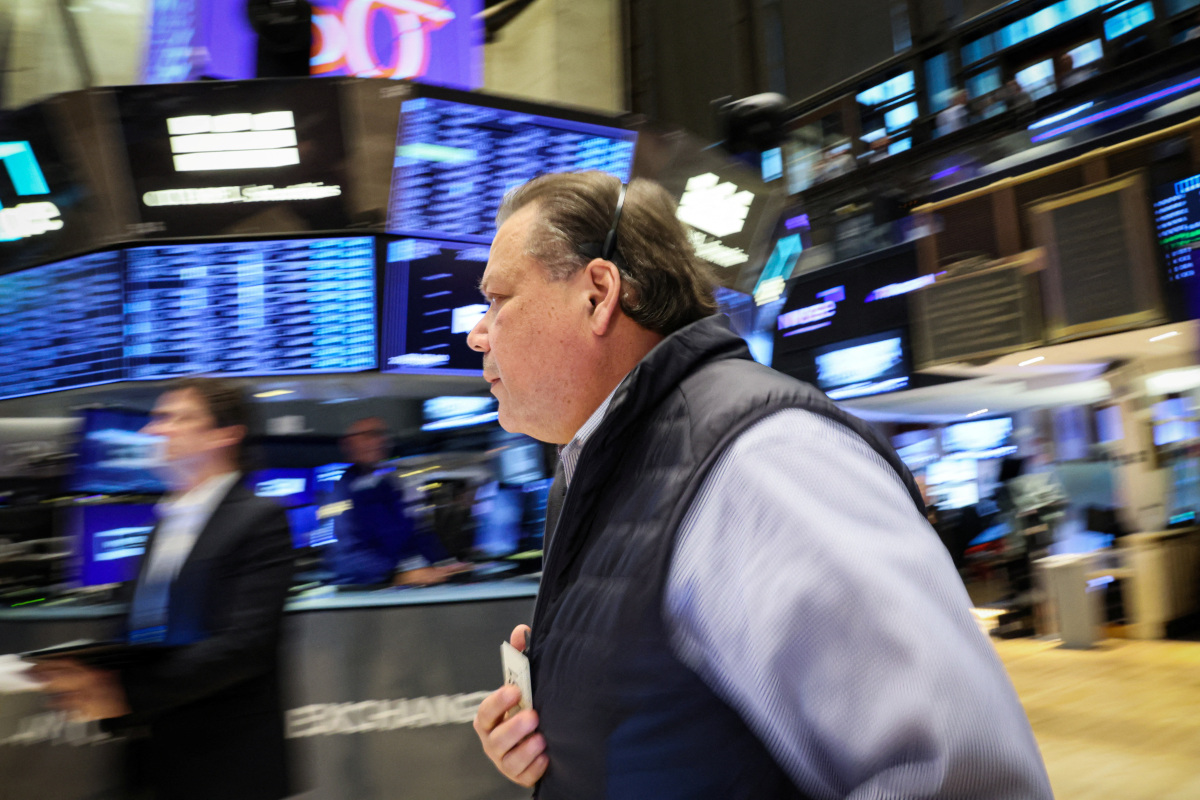
Brent Gained Nearly Seven Per Cent After the Houthis Took a Port Fifty Miles From Bab el-Mandeb
Stocks fell and ten-year yields topped 4.96 per cent while the European Central Bank raised rates on the same day, citing the war as continuing…
JPMorgan Has Upgraded Meta to Buy and Forecast Negative Free Cash Flow of 65 to 75 Billion
The bank sees roughly 30 per cent upside on the back of Meta's new AI agent, while modelling two consecutive years of cash burn on the infrastructure…