The Supreme Court Did Not Say the Demolition Was Legal, Only That Nobody Could Sue
Five justices left the East Wing question unanswered and dismissed the case on standing, while a 250-person crew worked 20 hours a day to make the ruling irrelevant.
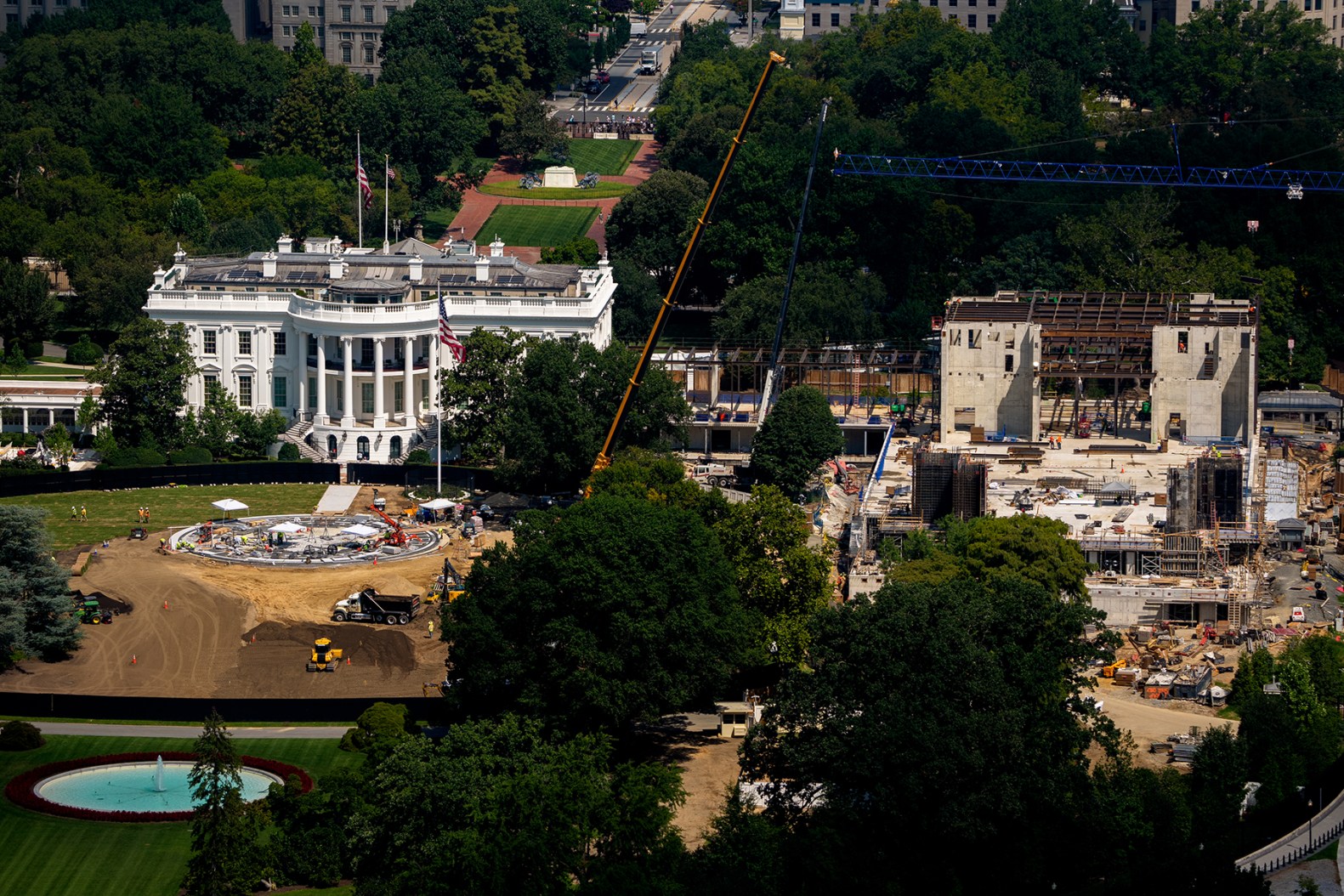
The East Wing of the White House has been demolished. It is being replaced by a 90,000-square-foot ballroom, roughly double the size of the existing White House complex. No congressional approval was sought or given.
This week the Supreme Court declined to stop it, by five votes to four. What the majority did not do is say the project was lawful.
What the majority actually decided
The five justices in the majority issued an unsigned order that addressed the legality of the demolition not at all. Their holding was narrower and, in its consequences, larger: the National Trust for Historic Preservation likely lacked standing to bring the case.
That leaves the substantive question open and unanswerable. If the organisation whose stated purpose is preserving nationally significant historic property cannot establish an injury sufficient to sue over the destruction of part of the White House, it is unclear who could.
Chief Justice John Roberts dissented, joining the three justices appointed by Democratic presidents. He wrote that the construction is likely unlawful, on the straightforward ground that Congress never approved it.
The constitutional text supports him. Congress holds the power to make all rules respecting property belonging to the United States. For two centuries the White House has been altered, renovated and maintained through congressional authorisation and appropriation. Maintaining and improving the executive residence has never previously been read to include demolishing part of it unilaterally.
Each president is a temporary steward of the People's House
The argument the government made
The administration's own lawyers set out the logic of their position plainly in court, and it is worth stating precisely because it is not an exaggeration by opponents.
Department of Justice attorneys argued that a president could order the demolition of the Statue of Liberty and that there would be functionally nothing anyone could do about it, because the courts would move too slowly to intervene.
That is not a hypothetical offered to test a principle. It is a description of a strategy, and this week it was vindicated.
Built faster than it can be litigated
According to the government's own filings, a crew of 250 people has been working 20 hours a day, seven days a week. Lower court riders were, by the same account, not observed.
The administration then told the courts that the structure is beyond the point of return.
That is the whole design. The legality of the ballroom will be settled, if it is settled, after the ballroom exists. A finding of unlawfulness against a finished building is a paper judgment. Gilding can be scraped off a wall. A demolished wing cannot be restored by an appellate ruling.
Brent Leggs, president and chief executive of the National Trust, put the principle at stake in one sentence after the decision. Each president, he said, is a temporary steward of the People's House, and does not have the unilateral authority to demolish and redesign it without the approval of Congress. He added that the order does not resolve that argument, and that the Trust will continue to press it.
A pattern, and a stated motive
The ballroom is the largest item in a sequence. The administration has moved to reshape the Kennedy Center. The Rose Garden has been paved. A triumphal arch is under construction, and the president has suggested naming it after himself. Gold has been applied to a great many surfaces.
Most of that is reversible. The demolition is not, and the president has been explicit about why that matters to him.
"Nobody will do it once I'm gone," he said. "When I leave here, nobody will."
That is an accurate assessment. It is also the clearest statement of the problem. A building that belongs to the public has been altered permanently by one temporary occupant, on the reasoning that no subsequent occupant would choose to do it.
The courts have now established that the remedy, if any exists, will arrive after the concrete has set.
More from Law
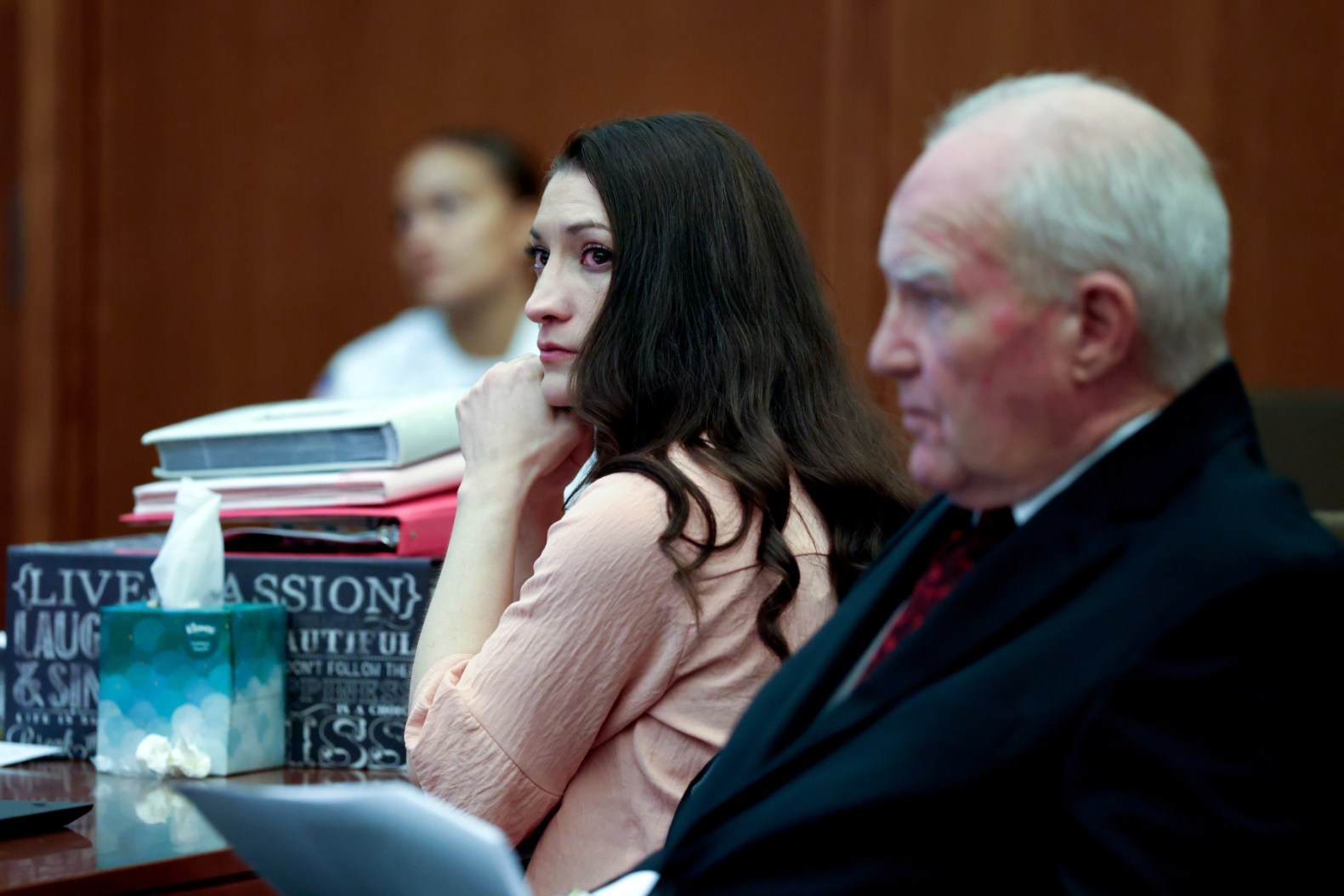
Lindsay Clancy's Lawyer Asks Trump to Consider a Pardon, Which the President Cannot Grant
Kevin Reddington made the appeal in a television interview days after his client's murder trial ended in a hung jury, in a case being prosecuted by…
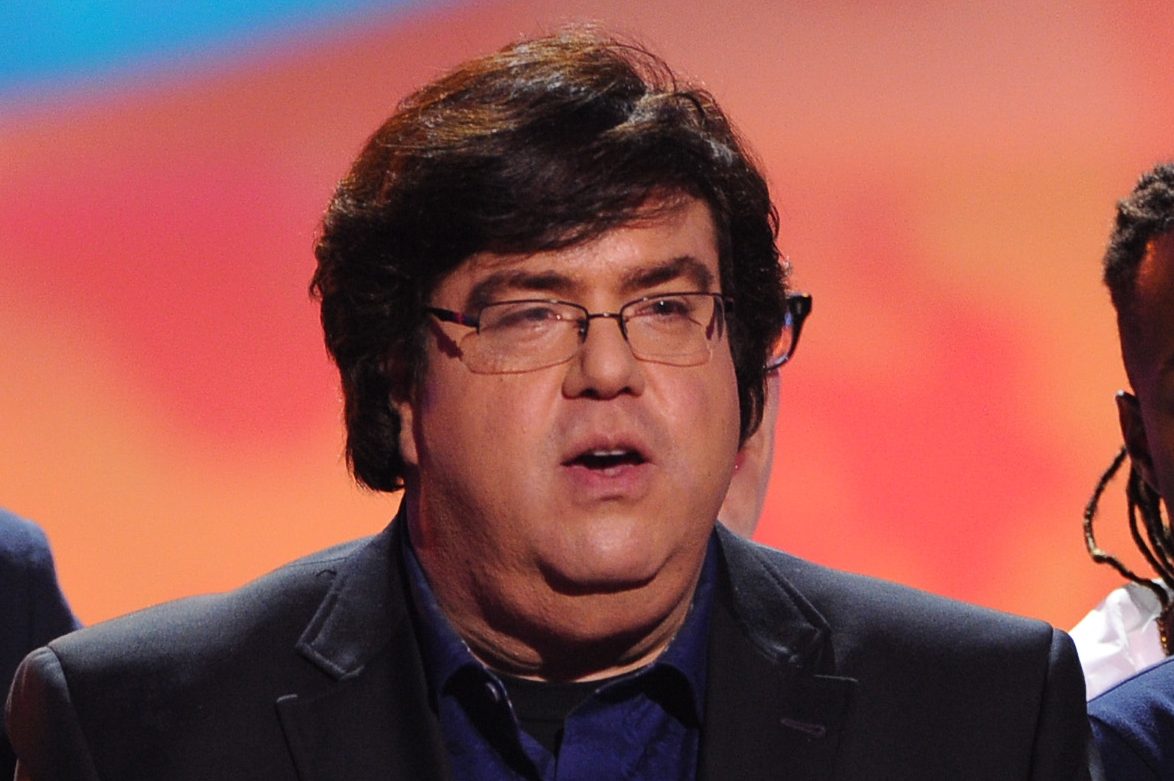
An Appeal Court Has Ruled That Calling Someone a Bad Boss Is Not Implying Abuse
Dan Schneider won the opening round against the producers of Quiet on Set, and a three-judge panel has now reversed that decision unanimously.
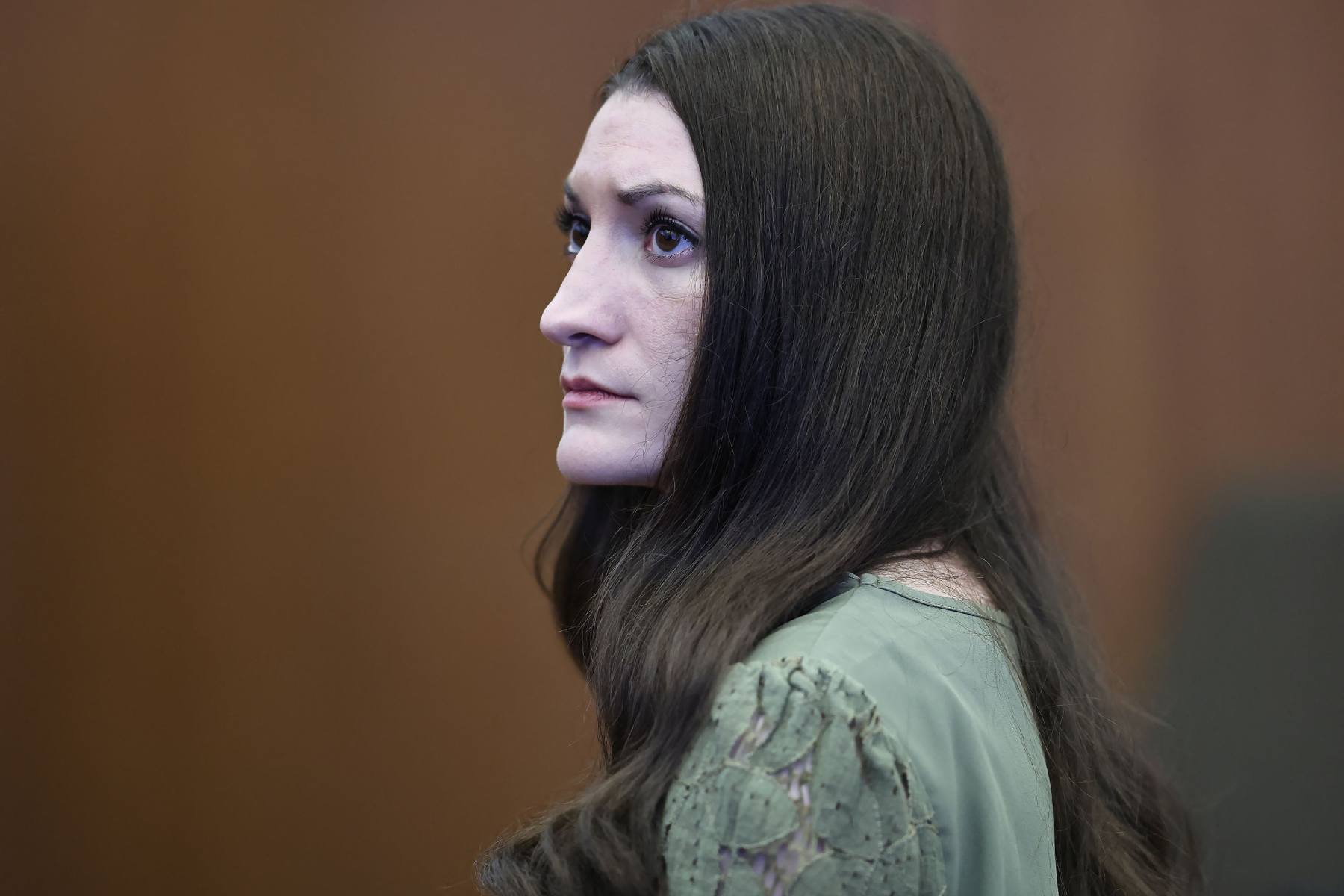
Three Clancy Jurors Have Described the Deliberations, and What the Holdout Said
The foreperson says the panel was never deciding whether Lindsay Clancy killed her children, but whether she knew it was wrong.