Lindsay Clancy's Lawyer Asks Trump to Consider a Pardon, Which the President Cannot Grant
Kevin Reddington made the appeal in a television interview days after his client's murder trial ended in a hung jury, in a case being prosecuted by the state of Massachusetts.
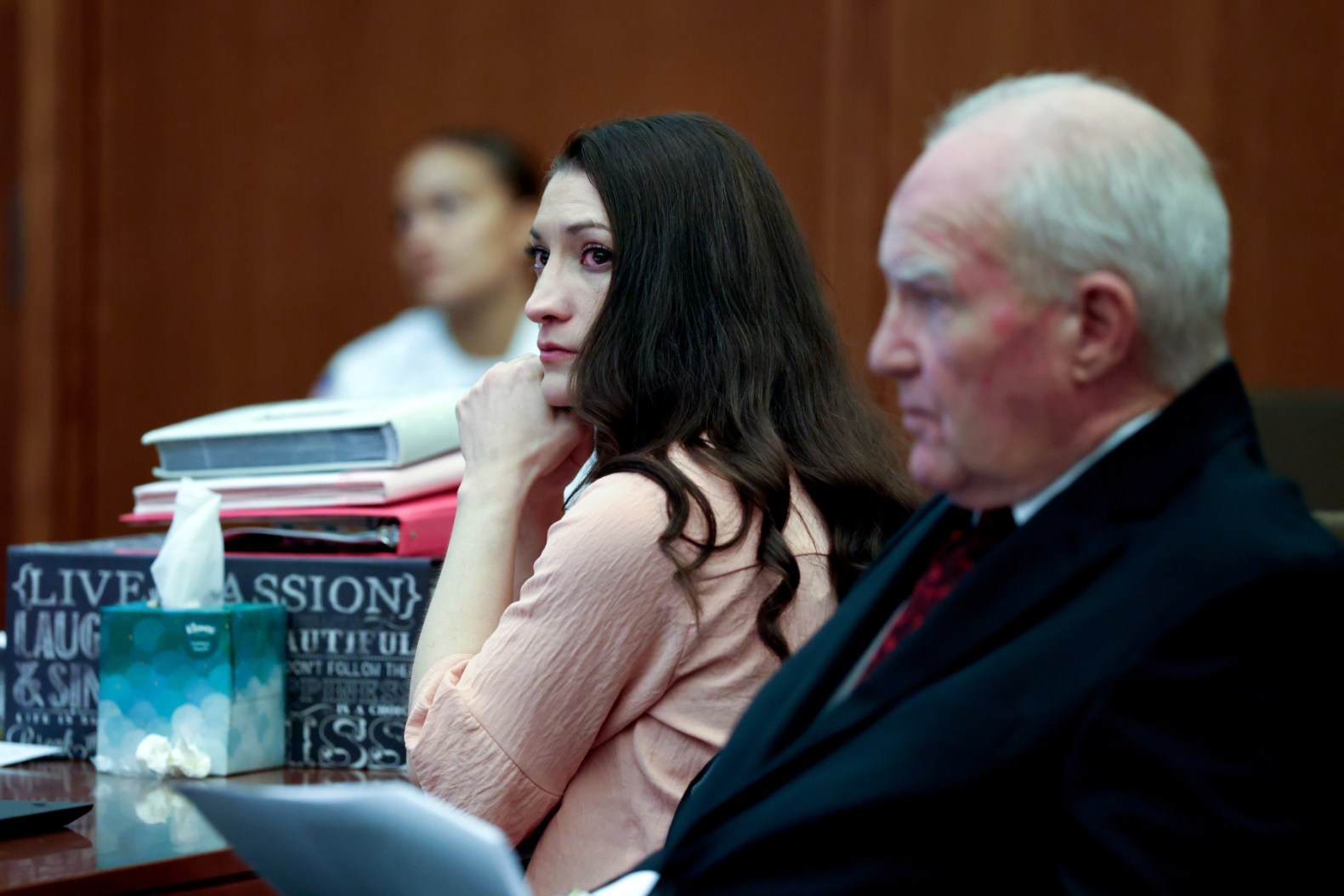
The lawyer for Lindsay Clancy has asked President Donald Trump to consider pardoning her, days after her murder trial ended without a verdict.
Kevin Reddington, Clancy's defense attorney, made the request at the end of a television interview on Tuesday, Sept. 8. Asked what came next for his client, he began by referring to the president's own comments on the case before dropping the third person entirely.
"I'd like to say that, perhaps, Donald Trump, who felt compelled to speak out about this case, may very well," Reddington started, then stopped himself. "Mr. President, I hope that you would consider this young lady, the type of person she is, what she's been through, and consider a pardon."
The obstacle nobody mentioned on air
There is a structural problem with the appeal, and it is not a matter of persuasion.
The presidential pardon power reaches only offenses against the United States. Clancy is being prosecuted by the Commonwealth of Massachusetts, under state law, in a state court. No president can pardon a state charge. The authority to do so belongs to the governor, working through the state's own clemency process, and it is exercised on an entirely separate track.
That does not make the request meaningless as advocacy. It makes it a public appeal rather than a legal filing, which is a different instrument with a different audience.
Mr. President, I hope that you would consider this young lady, the type of person she is, what she's been through
What the president said
Trump was asked about the trial last week and acknowledged he had been following it, explaining that "it's on television so much."
His assessment was not sympathetic. Clancy "did a horrible, horrible thing," he said, adding: "There'll be a price. It's going to be mental institution or jail or something, but I guess they're going to go through another trial. It's too bad."
Asked for comment after Reddington's appeal, the White House referred back to that statement.
Where the case stands
The trial turned on a single question: what Clancy's mental state was at the time her three children, Cora, Dawson and Callan, died in January 2023.
Prosecutors argued that she had planned the deaths and acted deliberately. The defense argued that she was in the grip of a postpartum psychotic break, and that she attempted to take her own life immediately afterwards. She survived the attempt and was left paralyzed from the waist down.
The jury deliberated for a week before telling the judge it could not reach a unanimous verdict. A mistrial was declared.
Reddington has said he believes eleven of the twelve jurors favoured a verdict of not guilty by reason of insanity, and he has been openly critical of the remaining juror, arguing that the standard of reasonable doubt as the judge explained it was not applied.
The route that actually exists
The more consequential part of the interview was not the pardon appeal but what followed it. Reddington indicated he is open to negotiating with the district attorney, Timothy Cruz, rather than going through a second trial.
"I'm willing to listen to Tim," he said. "I hope, however, that after seeing through this trial, and seeing the evidence that was presented from the government, as well as from the defense, that he would revisit that reissue and hopefully we'd be able to work something out that would be acceptable to both sides."
That is the mechanism with real leverage behind it. A hung jury with a reported eleven-to-one split against conviction changes the calculation for any prosecutor weighing whether to retry, and it does so without requiring anyone's clemency.
The state has not said whether it will seek a second trial. Until it does, the case sits in the space a mistrial creates: no verdict, no acquittal, and no resolution for anyone involved.
More from Law
An Appeal Court Has Ruled That Calling Someone a Bad Boss Is Not Implying Abuse
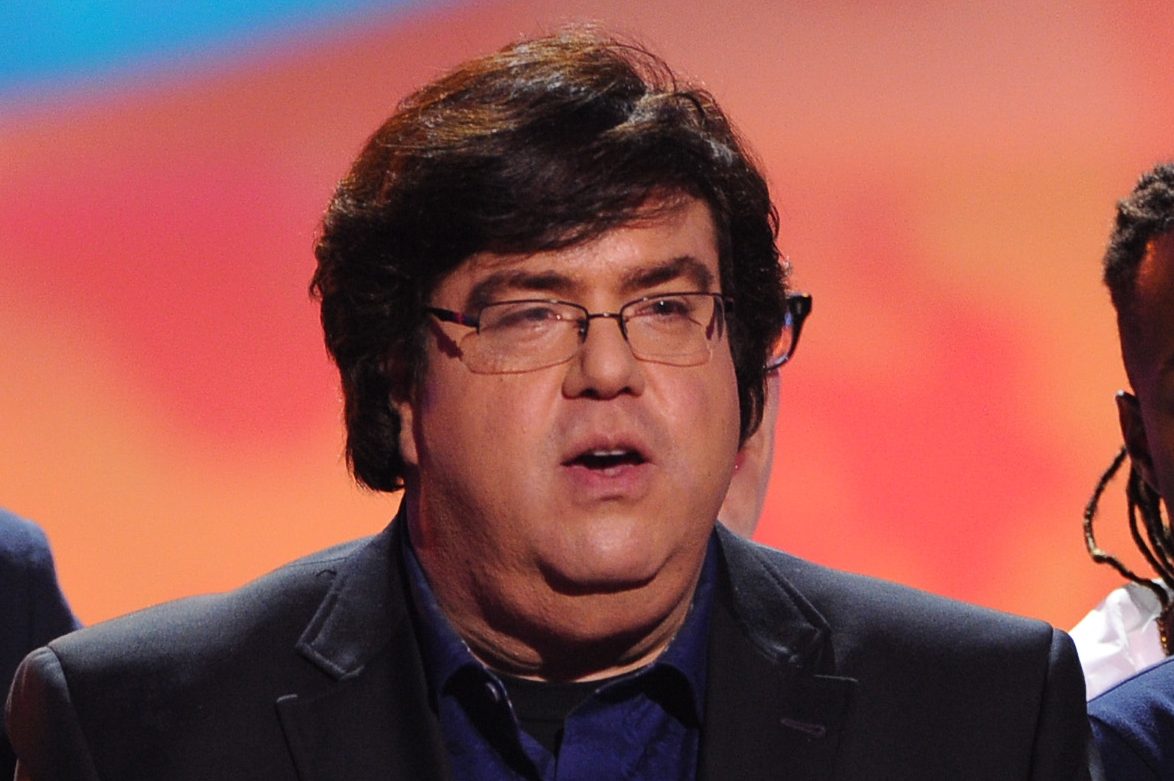
Dan Schneider won the opening round against the producers of Quiet on Set, and a three-judge panel has now reversed that decision unanimously.
Three Clancy Jurors Have Described the Deliberations, and What the Holdout Said
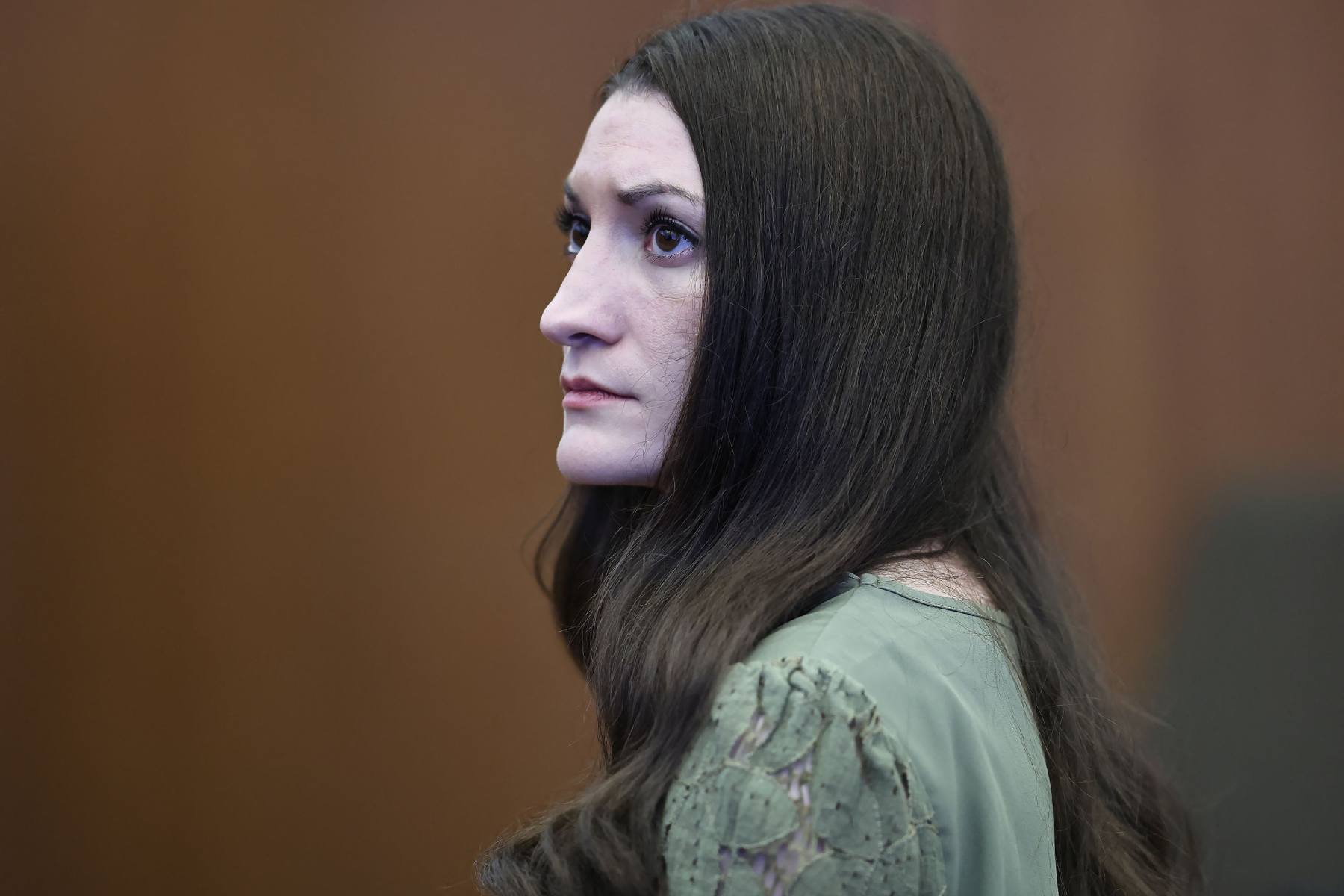
The foreperson says the panel was never deciding whether Lindsay Clancy killed her children, but whether she knew it was wrong.
A Texas Band Teacher Has Been Arrested a Second Time Over Alleged Relationships With Students
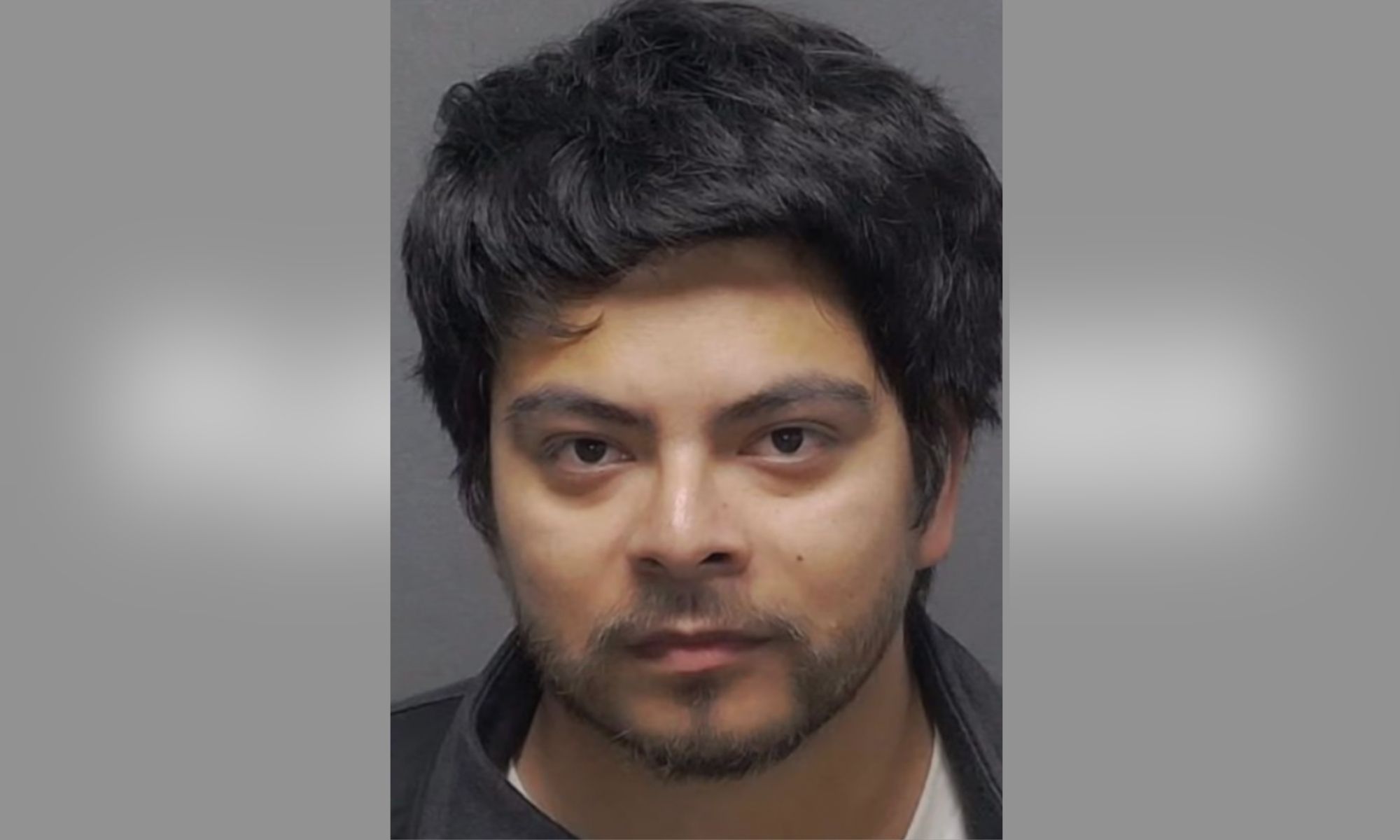
Jesse Orta faces allegations involving two 17-year-old pupils at the San Antonio school where he taught, and investigators say the first relationship…