An Appeal Court Has Ruled That Calling Someone a Bad Boss Is Not Implying Abuse
Dan Schneider won the opening round against the producers of Quiet on Set, and a three-judge panel has now reversed that decision unanimously.
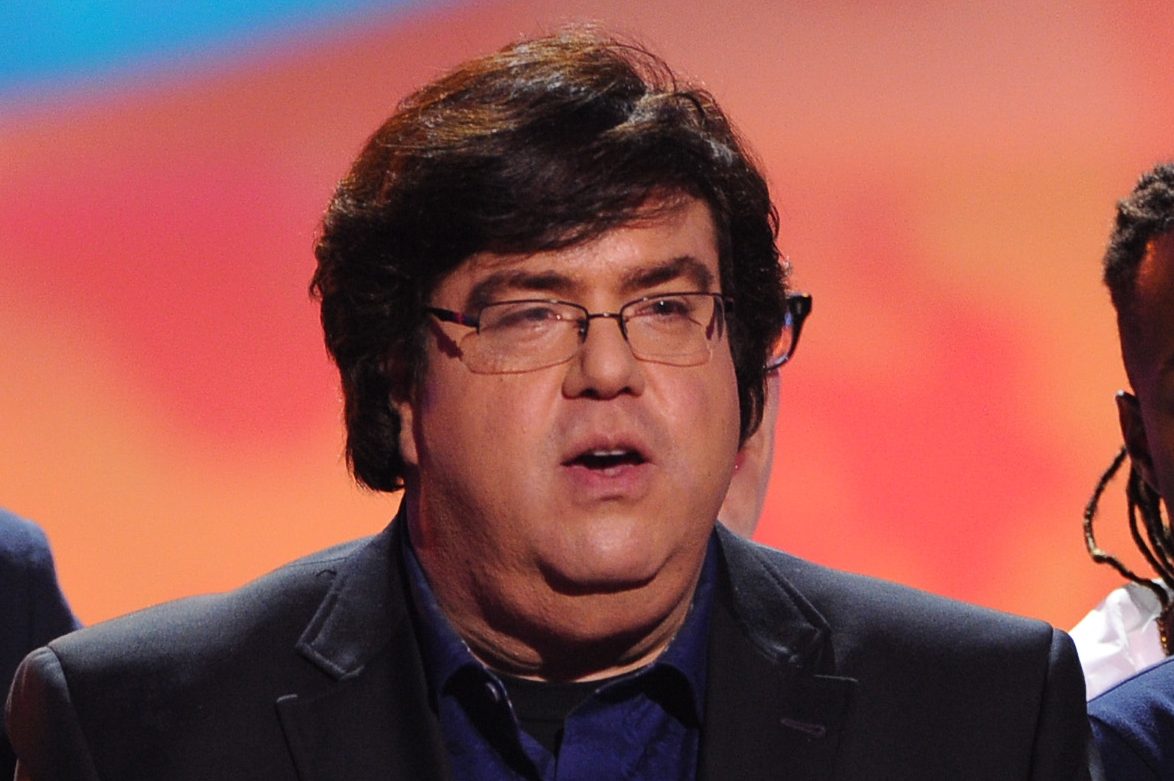
The producers of the documentary series Quiet on Set have won the defamation case brought against them by Dan Schneider, the former Nickelodeon showrunner, on appeal.
Schneider sued in 2024, arguing that the series falsely portrayed him as responsible for, or as having facilitated, sexual abuse committed by other people. He won the opening round: a judge found enough merit in the claims to refuse the defendants' motion to dismiss.
The defendants, who include Warner Bros. Discovery, Sony and the producers Mary Robertson and Emma Schwartz, appealed. On Thursday a three-judge panel ruled unanimously in their favour.
The distinction the court drew
The panel accepted that the series depicts Schneider unfavourably. It found that this is not the same as implying he abused children.
"The documentary clearly distinguishes between the lamentable conduct that its participants attribute to Schneider, gender discrimination, harassment, toxic workplace behavior, and inappropriate sexual innuendo, and the child sexual abuse explicitly attributed to three named individuals, two of whom are discussed at length," wrote Judge Melanie Ochoa for the panel.
The judgment then turned on a detail in the documentary itself. The series states that Schneider's employer investigated his conduct, confirmed some inappropriate behaviour, and found no evidence of child sexual abuse.
Given that, Ochoa wrote, "Schneider's attempt to find an alternative meaning than what is expressly stated in the documentary is unavailing."
The only such abuse discussed is explicitly attributed to named perpetrators
What Schneider argued
His case was not that the series accused him directly. It was about juxtaposition.
His attorneys argued that the programme placed accusations of inappropriate behaviour alongside images of Schneider with his arm around child actresses, and that the sequencing created an impression the words never stated.
The series also examined two separate criminal matters: Brian Peck, a dialogue coach arrested for child sexual abuse, and Jason Michael Handy, a production assistant accused of sending an explicit photograph to a child actress.
Schneider's position was that he had no connection to either case, and that the documentary created a false impression by placing him near them.
The panel would not accept it, holding that the only abuse discussed is explicitly attributed to named perpetrators, and that the documentary states plainly that an investigation into Schneider found no evidence of abuse.
The statute that decided it
The defendants prevailed under California's anti-SLAPP law, which provides an early mechanism to strike lawsuits aimed at suppressing speech on matters of public interest.
That is the second significant anti-SLAPP ruling in recent weeks, and it points at how these disputes are now being resolved. The mechanism forces the question of merit to the front, before discovery, which is a considerable advantage to a documentary maker facing a subject with resources.
It also explains the shape of this case. Schneider's initial win was procedural rather than substantive: a judge declined to throw the claim out, which allowed it to proceed but decided nothing about whether the documentary had defamed him. The appeal addressed that question directly and answered it, which is why a case that appeared to be gathering momentum ended in a single unanimous ruling.
The background
Schneider created a run of hits for Nickelodeon including The Amanda Show, Drake and Josh, Zoey 101, iCarly and Victorious. Nickelodeon severed ties with him in 2018 amid allegations about his conduct.
Quiet on Set: The Dark Side of Kids TV aired on Investigation Discovery in March 2024. Schneider posted a video apology shortly afterwards, saying he was embarrassed by his past behaviour.
That apology now sits awkwardly beside the litigation, and the ruling explains why the two were never really in tension. The court has effectively held that the documentary said what Schneider had already conceded, and did not say the thing he sued over.
More from Law
Lindsay Clancy's Lawyer Asks Trump to Consider a Pardon, Which the President Cannot Grant
Kevin Reddington made the appeal in a television interview days after his client's murder trial ended in a hung jury, in a case being prosecuted by…
Three Clancy Jurors Have Described the Deliberations, and What the Holdout Said
The foreperson says the panel was never deciding whether Lindsay Clancy killed her children, but whether she knew it was wrong.
A Texas Band Teacher Has Been Arrested a Second Time Over Alleged Relationships With Students
Jesse Orta faces allegations involving two 17-year-old pupils at the San Antonio school where he taught, and investigators say the first relationship…