Three Clancy Jurors Have Described the Deliberations, and What the Holdout Said
The foreperson says the panel was never deciding whether Lindsay Clancy killed her children, but whether she knew it was wrong.
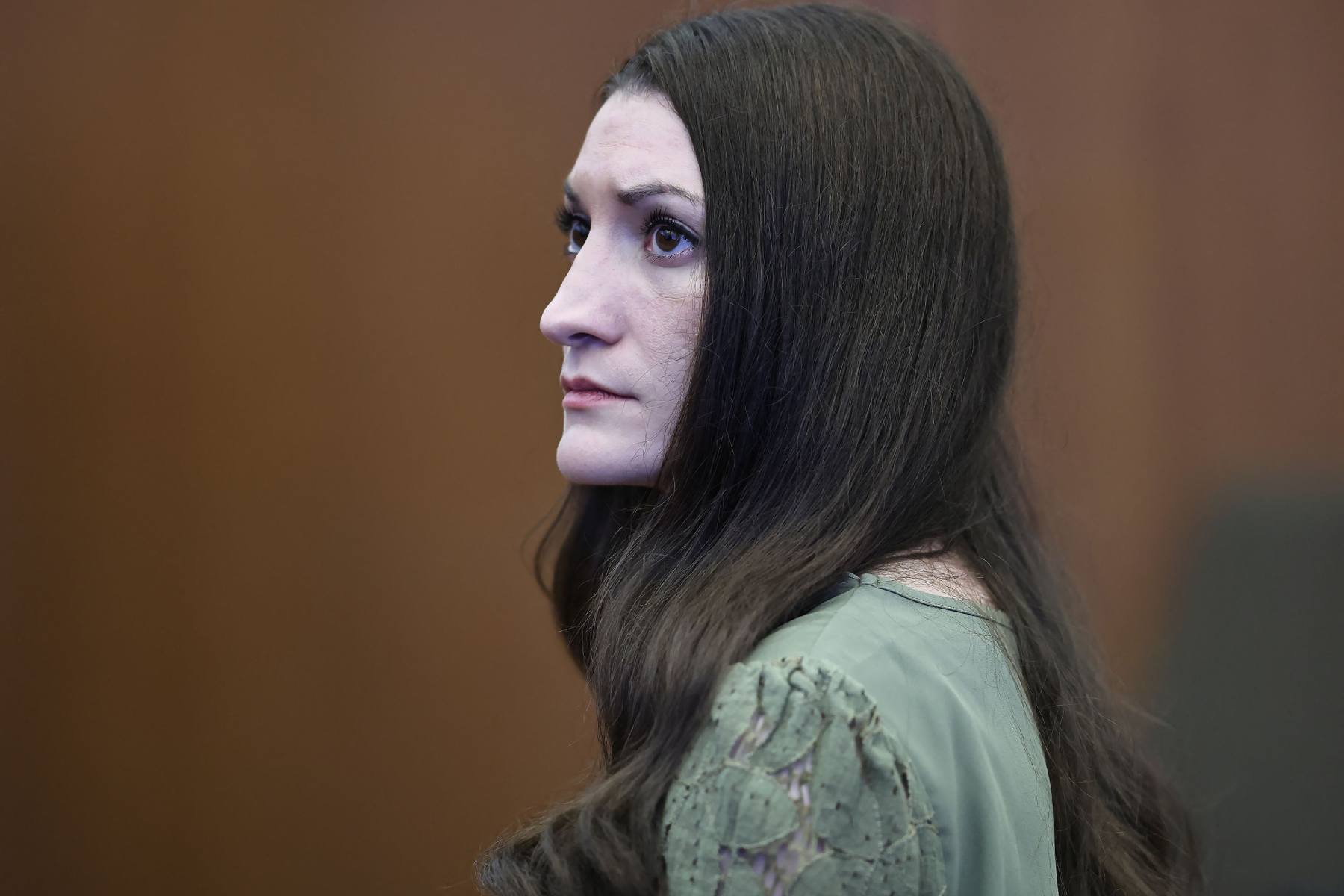
The foreperson says the panel was never deciding whether Lindsay Clancy killed her children. It was deciding whether she knew it was wrong.
Three jurors from the Lindsay Clancy trial have spoken publicly about what happened behind the door of the jury room, days after the case ended in a mistrial.
One of them said the single holdout admitted he had reasonable doubt.
The question they were actually answering
Roni Carlson, the jury foreperson, was explicit about the narrowness of the task, and it is the detail most coverage of the case has blurred.
"We weren't trying to figure out if she murdered the children," Carlson said. "She did, and she's admitting that. We're trying to figure out: did she know right from wrong at that time?"
That is the legal question in an insanity defence, and it is not the one most people assume a jury is weighing.
Carlson described what the evidence established about the relationship. "Everything proved she loved her children, from her journals to her mother-in-law, everything proved that she loved her children," she said, "so she had to have snapped."
It's something that I will never not hear if I think about it
The recording
Kellie Farina, another juror, spoke about the call Patrick Clancy made to the emergency services that night, which was played in court and again during deliberations.
"It's something that I will never not hear if I think about it," she said. "It was the most horrific thing, and when we heard it again in the jury room, we were crying again."
What stayed with her was his voice, the desperation and the despair in it.
"It was absolutely genuine," she said. "There's no doubt about that."
The two cases the jury had to choose between
Prosecutors argued that Clancy was deeply troubled but understood that what she was doing was wrong when she strangled her three children with exercise bands. They asked for convictions on three counts of first-degree murder.
The defence argued she had suffered a postpartum psychotic break, and that she heard a commanding male voice in her head at the time. Immediately afterwards she attempted to cut her own throat and wrists, then jumped from a second-storey window. The fall left her paralysed from the waist down.
Her attorney, Kevin Reddington, argued she should be found not criminally responsible on the grounds of improperly treated mental illness, a verdict that would most likely have resulted in indefinite commitment to a forensic psychiatric facility.
Inside the room
The deliberations were difficult, and the account given is unusually frank about it.
There was tension and some name-calling. There were also, by the same account, hugs, and words and acts of support between jurors trying to look after one another through it.
The majority moved towards not guilty by reason of insanity. One juror would not.
That juror, according to what has now been said publicly, acknowledged he had reasonable doubt.
Why that matters
Reasonable doubt is the standard the prosecution has to overcome. A juror who holds it is, in the ordinary construction, obliged not to convict.
The situation here was more complicated than that, because the choice was not between guilty and acquittal but between a murder conviction and a finding of not criminally responsible, which carries its own serious consequence.
A single juror unable to accept the second option, while conceding doubt about the first, is enough to produce exactly what happened: eleven to one, and no verdict.
The case can be retried. Whether it will be is now a decision for the district attorney.
More from Law
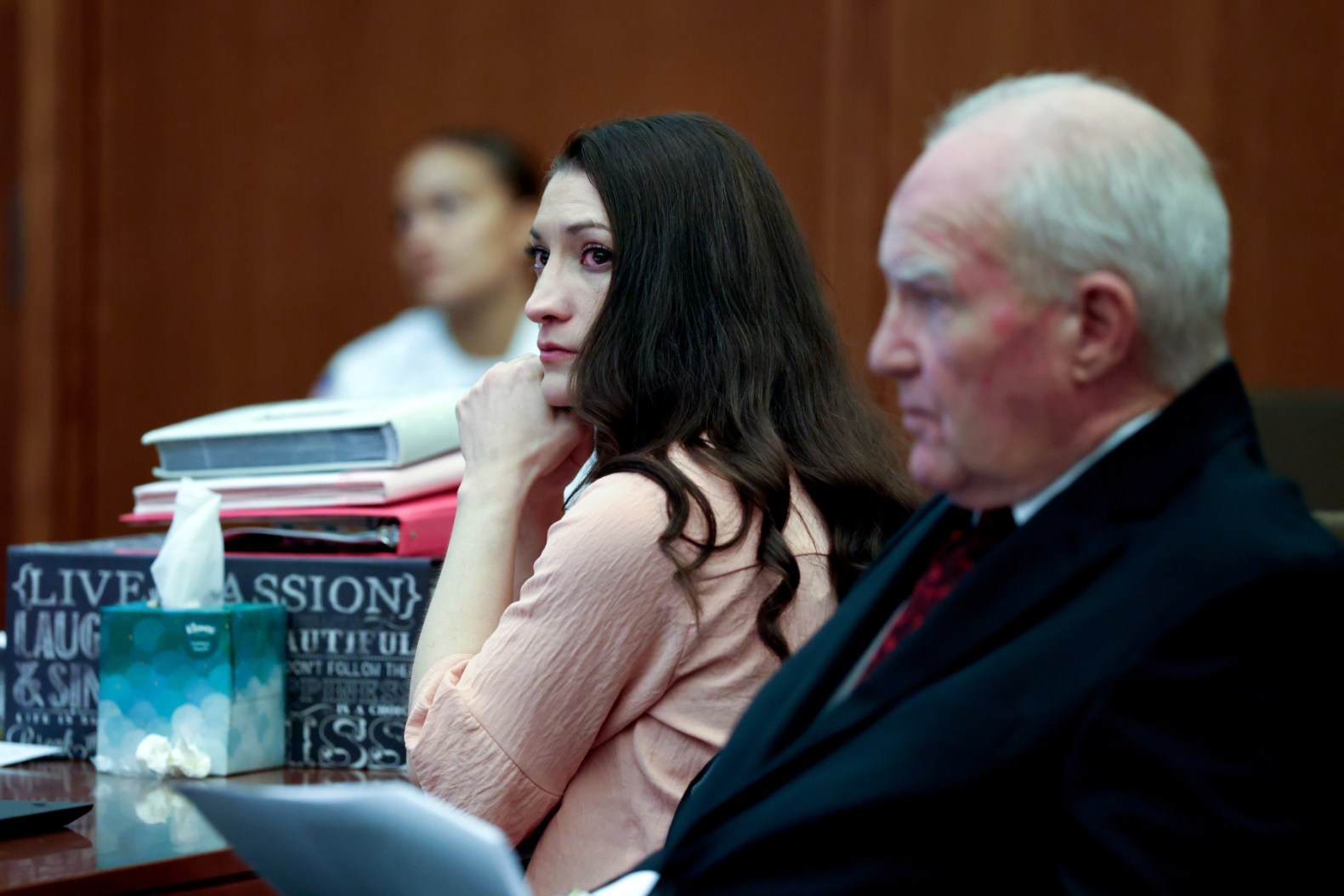
Lindsay Clancy's Lawyer Asks Trump to Consider a Pardon, Which the President Cannot Grant
Kevin Reddington made the appeal in a television interview days after his client's murder trial ended in a hung jury, in a case being prosecuted by…
An Appeal Court Has Ruled That Calling Someone a Bad Boss Is Not Implying Abuse
Dan Schneider won the opening round against the producers of Quiet on Set, and a three-judge panel has now reversed that decision unanimously.
A Texas Band Teacher Has Been Arrested a Second Time Over Alleged Relationships With Students
Jesse Orta faces allegations involving two 17-year-old pupils at the San Antonio school where he taught, and investigators say the first relationship…