The Couple Who Spent Two Decades Trying to Undo a Murder Conviction
Eileen and Keen Umbehr were strangers to Dana Chandler when they took up her case, and they have now outlasted three verdicts in it.
Karen Harkness and Mike Sisco were shot dead in the middle of the night on July 7, 2002, in a townhouse in Topeka, Kansas. Harkness was the daughter of a prominent local businessman. Sisco was a divorced father of two. Investigators settled early on his ex-wife, Dana Chandler, and never really moved.
Chandler was arrested, tried and convicted of first-degree murder. What happened afterwards is the reason the case is still open, and the reason it is now the subject of a three-part documentary, A Killer Story, which began on HBO on September 10.
A tip that would not stop arriving
In 2017 a stay-at-home mother in Alma, Kansas wrote to Joe Sexton, a veteran investigative journalist, asking whether he wanted to know the truth about a double homicide in Topeka. Sexton believed the case was closed. He sent back a polite no.
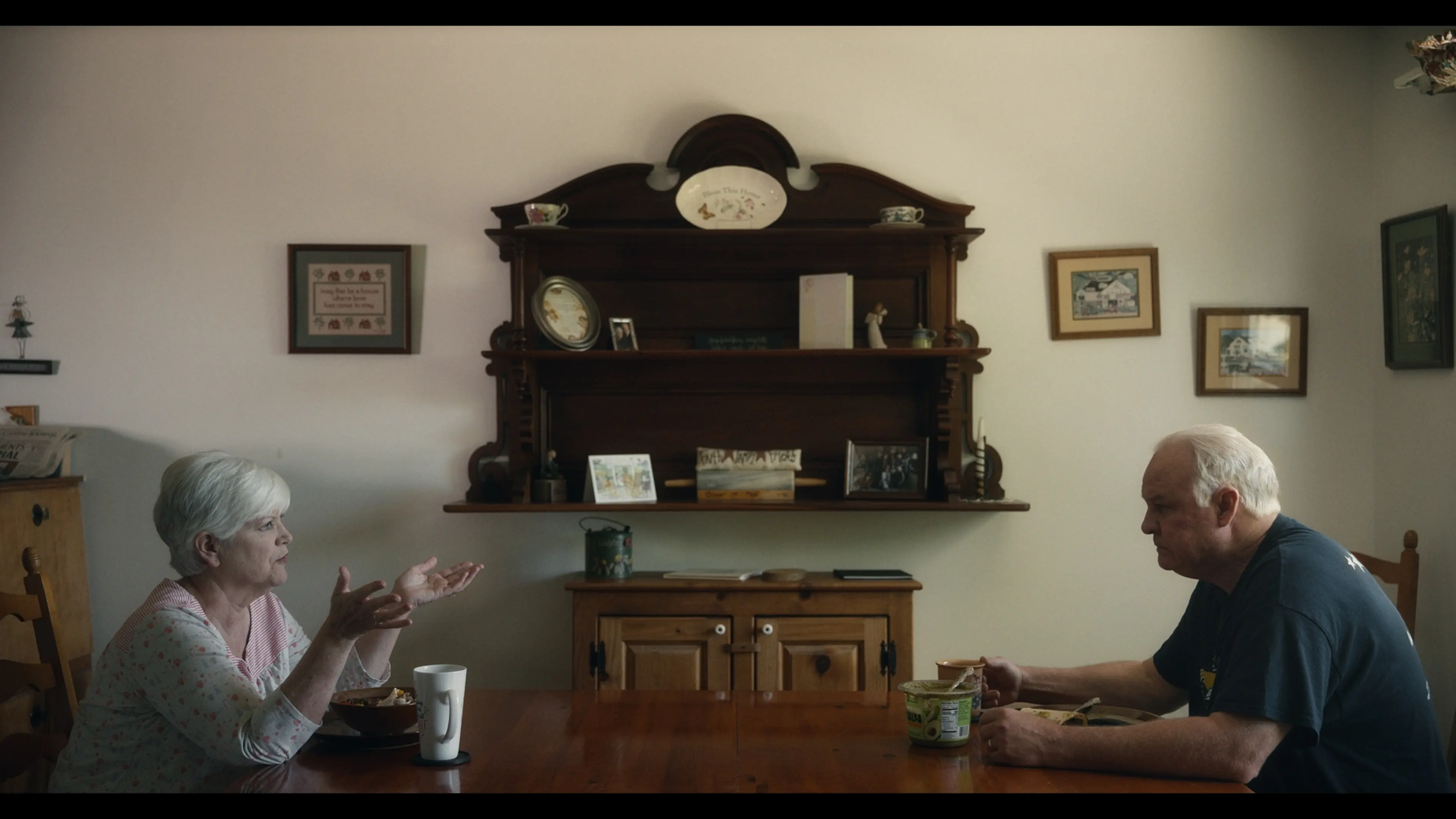
Eileen Umbehr kept writing. Some weeks brought ten emails, then nothing for a fortnight, then twenty-five in a day, loaded with court records, ballistics reports and property filings. The correspondence ran from hundreds of letters into thousands. Sexton was not certain whether to call the police about her or hire her, and settled on a nickname: pen pal.
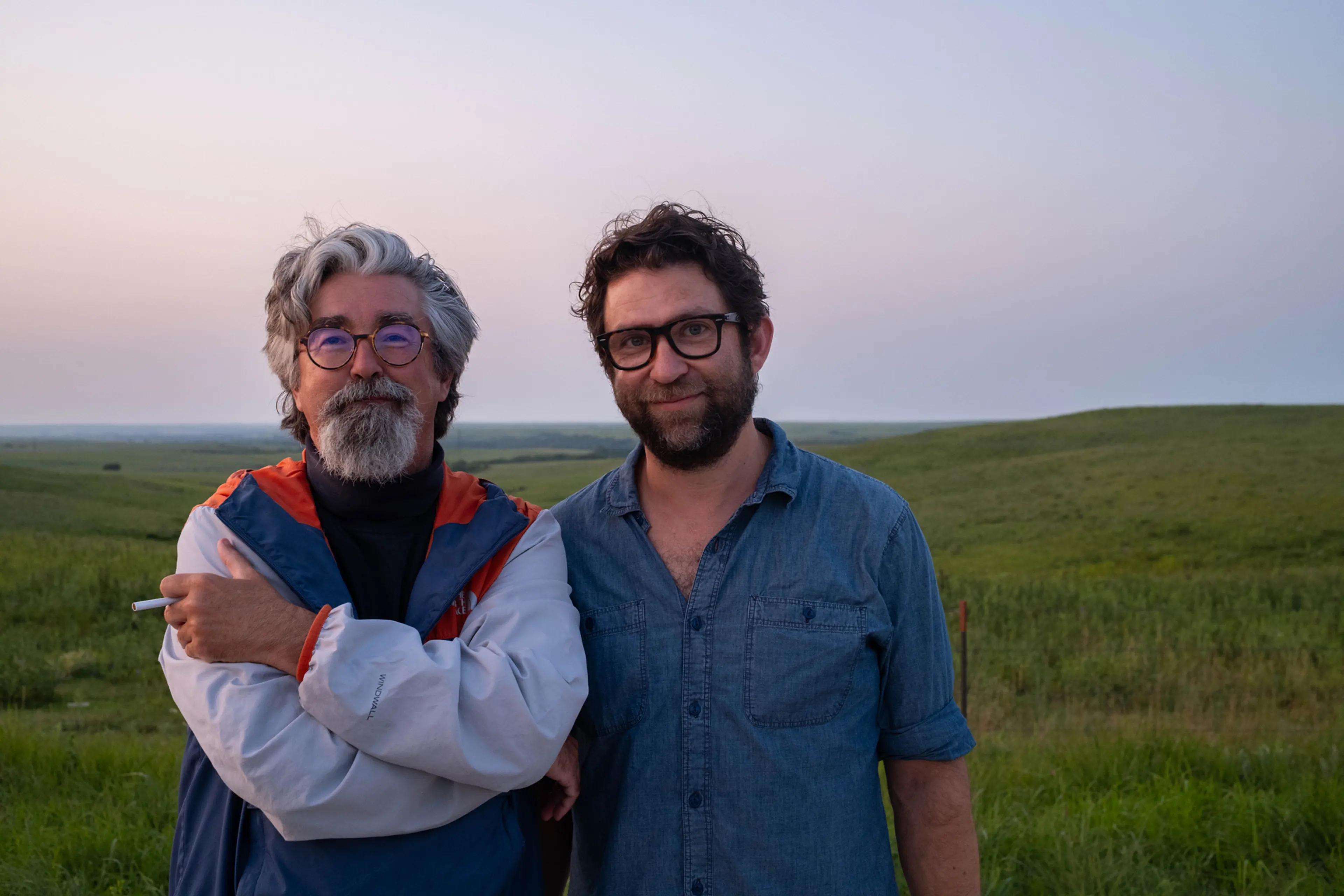
By then Umbehr and her husband Keen, a lawyer, had spent years working the case and advocating for a woman they had never met, at their own expense.
Then came email number 2,714. The Kansas Supreme Court had thrown out Chandler's convictions, which rarely happens. Sexton answered in six words: "Perhaps I should come see you."
Investigators ruled out robbery almost immediately. The cash was in plain view
What the scene did and did not show
The facts of that night are not in dispute. Harkness and Sisco spent the evening at a casino, on camera until they left at about half past one in the morning, and were back at her townhouse before three. Harkness's father found the bodies. Both had been shot repeatedly.
Robbery was ruled out almost at once. Cash lay in plain view and in Sisco's wallet. Harkness was still wearing her jewellery. There were no fingerprints on the shell casings, no eyewitnesses and no weapon. The ammunition was distinctive, Israeli-made subsonic rounds of a type most often fired from an Uzi-style gun. To Ray Lundin, then of the Kansas Bureau of Investigation, the scene read as overkill, a killing driven by emotion.
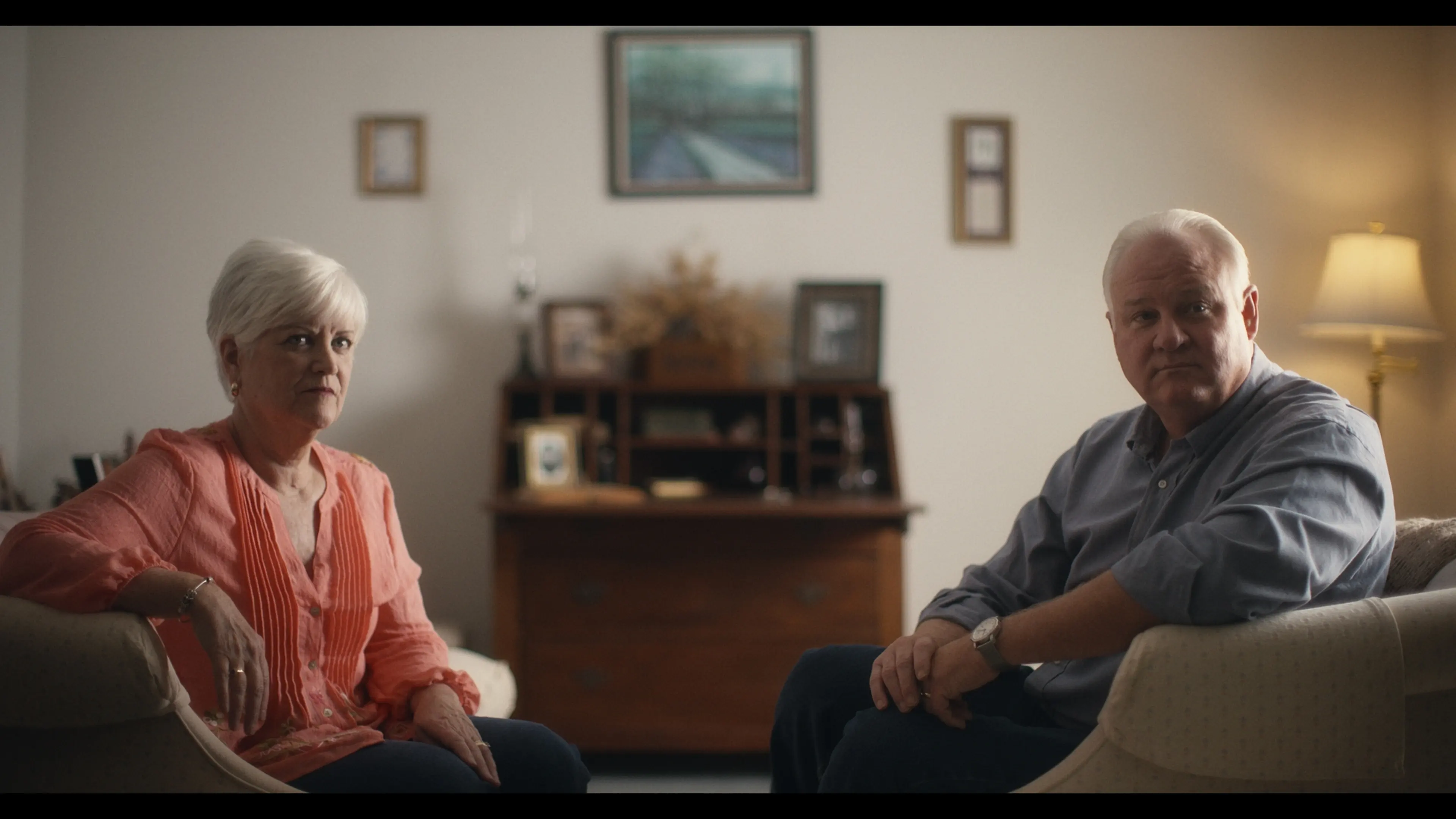
Sisco's family suspected Chandler immediately. The marriage had ended badly after fifteen years, strained by her drinking. Sisco kept the house and custody of the children and a child-support order in his favour. Chandler then earned a master's degree in accounting, got sober and moved to Denver, 540 miles and about eight hours away.
When Detective Richard Volle interviewed her days after the killings, she walked him through her errands on July 6, including a stop at an auto parts shop. What she did not mention was on the receipt: two five-gallon gas cans. Investigators built a theory around them. With enough fuel in the car, a driver could cover Denver to Topeka and back without stopping for petrol, and so without leaving a record of having stopped.
Three verdicts, and a document nobody could find
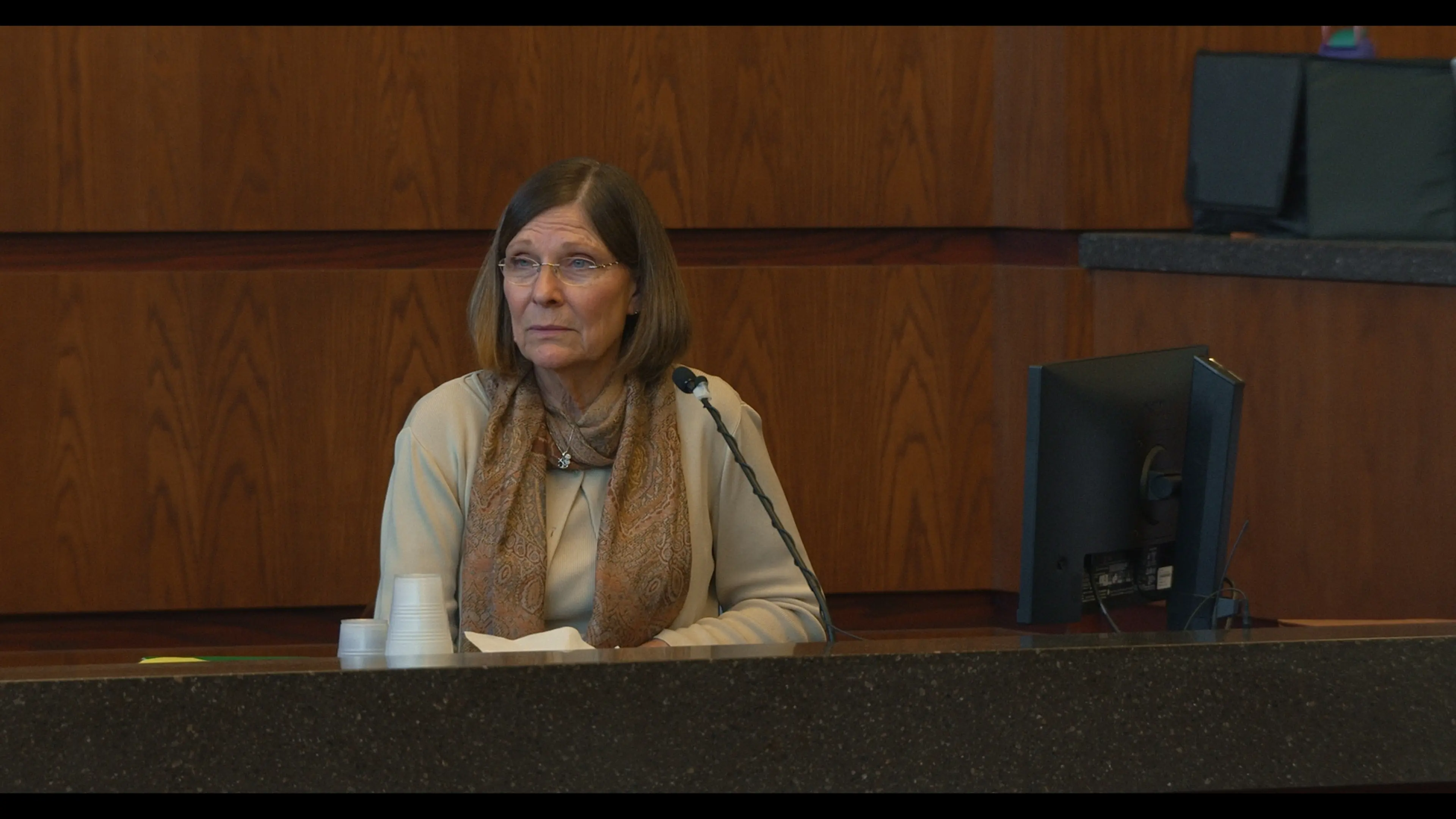
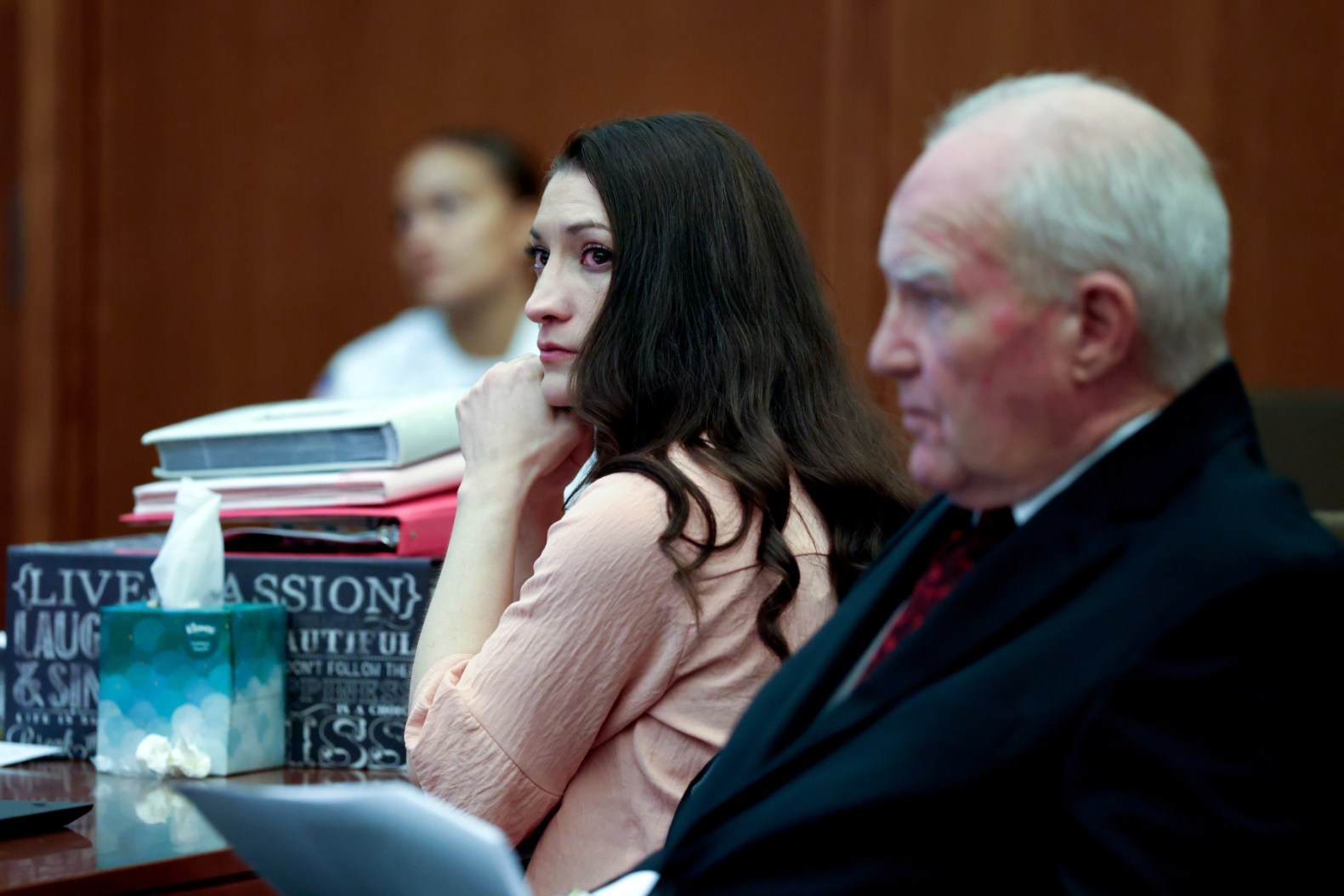
For almost ten years the theory stayed a theory. District Attorney Robert Hecht declined to charge Chandler, noting that nobody had placed her in Topeka at the time of the murders. His successors took a different view. Chandler was arrested in Oklahoma in 2011, and in March 2012 a Topeka jury took eighty-three minutes to convict her on two counts of first-degree murder. She was sentenced to consecutive life terms with no possibility of parole for a hundred years.
At that trial the prosecutor, Jacqie Spradling, told jurors that Sisco had obtained a protection from abuse order against Chandler. Volle testified to it. In Kansas such an order is issued by a court to protect someone from a household member or an intimate partner, and its existence would have told the jury a great deal about what kind of woman they were looking at.
When Keen Umbehr went looking for that order, he could not find one. Telling the jury it existed, he argues in the documentary, was a way of suggesting Chandler was dangerous.
The convictions were overturned in 2018. A retrial in 2022 ended in a hung jury. In 2025 she was convicted again.
Certainty as the subject
The series was directed by Matthew Galkin and executive produced by Joshua Levine, Dan Cogan, Liz Garbus and Jon Bardin's Story Syndicate, and was filmed across the final six years of the case. It reaches the last verdict without pretending that a verdict is the same thing as an answer.
What drew the producers was how much had already accumulated before any camera arrived. There were two decades, Levine has said, in which layers built up well beyond the crime itself.
Those layers are the real subject: how detectives, prosecutors and true-crime enthusiasts alike come to be certain, what that certainty costs the people on the other end of it, and how little a jury's decision settles for anyone who has spent twenty years reading the file.
More from Law
Lindsay Clancy's Lawyer Asks Trump to Consider a Pardon, Which the President Cannot Grant
Kevin Reddington made the appeal in a television interview days after his client's murder trial ended in a hung jury, in a case being prosecuted by…
An Appeal Court Has Ruled That Calling Someone a Bad Boss Is Not Implying Abuse
Dan Schneider won the opening round against the producers of Quiet on Set, and a three-judge panel has now reversed that decision unanimously.
Three Clancy Jurors Have Described the Deliberations, and What the Holdout Said
The foreperson says the panel was never deciding whether Lindsay Clancy killed her children, but whether she knew it was wrong.