FTC Files Against the Processor It Says Banked More Than a Thousand Shell Merchants
The Federal Trade Commission has accused 5967 Ventures, LLC, trading as Humboldt Merchant Services, of processing payments for more than a thousand shell merchants, and filed a proposed order that would impose a $12,000,000 judgment.
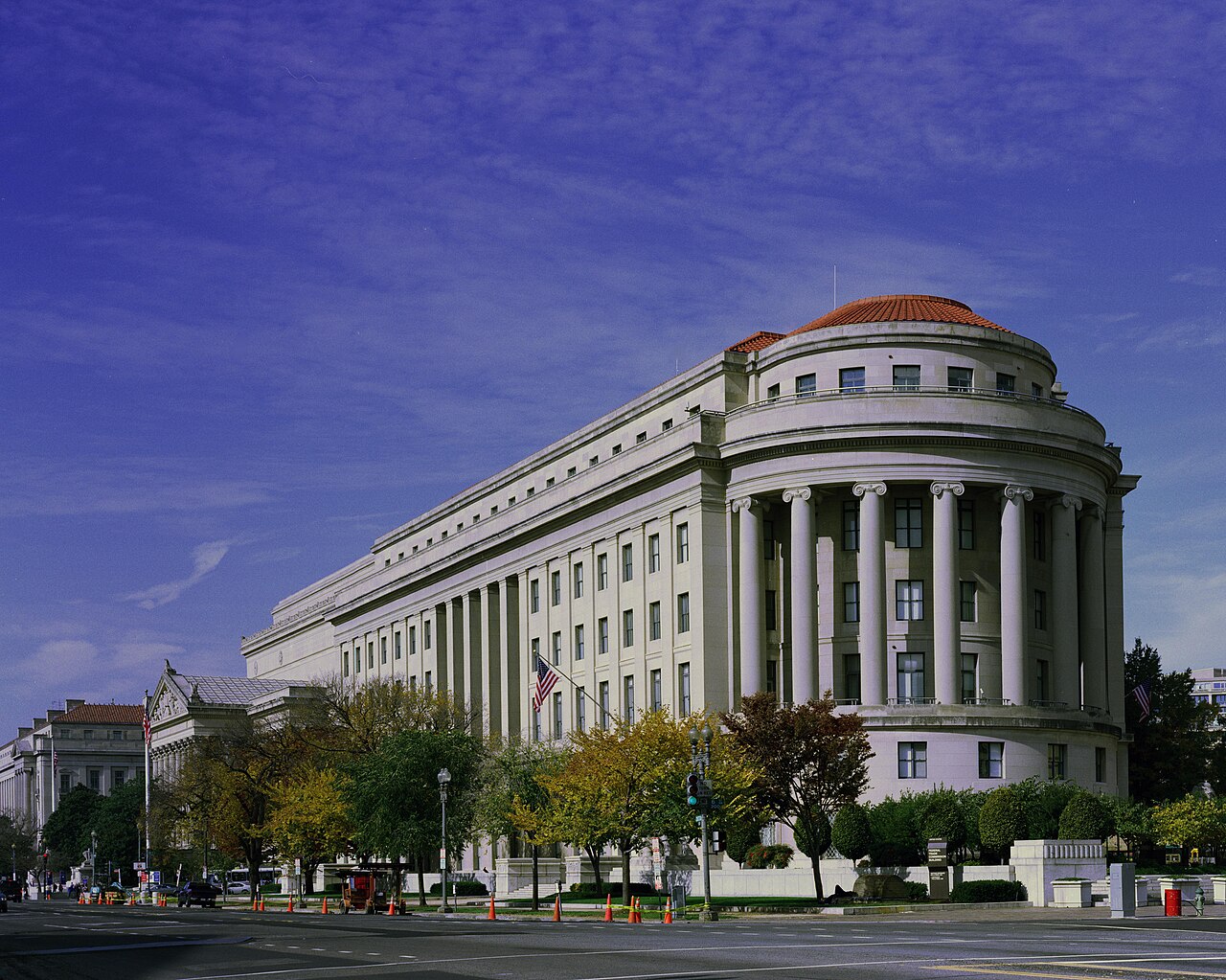
The Federal Trade Commission on 8 September 2026 filed a complaint and a proposed stipulated order in the United States District Court for the Eastern District of Michigan against 5967 Ventures, LLC, a Delaware limited liability company trading as Humboldt Merchant Services. The case is docketed as 2:26-cv-13303-SKD-EAS. Humboldt is a registered independent sales organisation, a company that opens and manages the card merchant accounts other businesses use to take payment.
The complaint runs to 89 pages and pleads a single count: unfair acts or practices under Section 5(a) and 5(n) of the FTC Act, brought under Section 13(b). Its prayer for relief asks only for a permanent injunction and any additional relief the court determines to be just and proper. No damages figure is pleaded in it.
"Defendant 5967 Ventures, LLC, which does business as Humboldt Merchant Services ('Humboldt'), is in the payment processing business and for years has processed payments for more than a thousand merchants it knew, or consciously avoided knowing, were shell entities that served as fronts or pass-throughs for third parties engaged in unauthorized billing scams."
That is the complaint at paragraph 2. Every allegation below is the Commission's, untested.
The money sits in the settlement, not in the complaint
The figure comes from the second document. "Judgment in the amount of Twelve Million Dollars ($12,000,000) is entered in favor of the Commission against Defendant as monetary relief," reads Section VII.A of the stipulated order, a 44-page negotiated document filed alongside the complaint as ECF No. 2-1.
It has not been entered. It was filed as a proposed order, every deadline in it runs from entry, not filing, and nothing checked here shows a judge has signed it. On entry, Humboldt's counsel, who the order says already holds the sum in escrow, would have seven days to pay. The money is designated for consumer redress, and anything unused goes to the United States Treasury. The Commission voted 2-0 to file.
"Humboldt was processing payments for companies despite red flags indicating they were scamming consumers," said Katherine White, Deputy Director of the FTC's Bureau of Consumer Protection, in the agency's announcement of the filing.
Years of flags, and an instruction to ignore them
The sharpest passage is not the Commission's own language. It is an email a senior Humboldt underwriter sent a risk and underwriting manager in April 2019, quoted verbatim in the complaint at paragraph 58. It listed what underwriting kept seeing in the applications:
"Clusters of apps coming with the same rep, same bank, same corp location, same fulfillment, same website format, same product type, same pricing, putting their home address on a business website, trial price points on a straight sale website, popular CBD pricing, obvious load balancing techniques, customer contacts who make it clear the website we have isn't the website they put the transaction through, obvious card sharing, calling the principal and they know nothing about their own business …"
The email closed, in the words the complaint reproduces: "We've been identifying these patterns to supervisor and manager for years and been told to ignore them, especially if they were one of our special handling reps."
The complaint places that email inside a longer sequence. Mastercard reviews between 2017 and 2019 flagged thousands of Humboldt accounts for load balancing and card sharing, a February 2019 notice citing more than a thousand accounts on its own. In October 2019 Humboldt's President circulated a memo reporting thousands of merchants closed as a result, and projecting over $80 million in lost sales volume for the year.
The accounts, and the people whose names were on them
Humboldt's portfolio had concentrated since at least 2015 in two verticals, according to the complaint: adult and dating sites, and Performance Marketing, meaning nutraceutical supplements and gadgets sold on negative-option, trial or subscription billing. Annual profits grew from approximately $7.5 million in 2014 to over $80 million in 2017 on the strength of the second.
The shell entities were supplied by a company called Reseller Consultants, the complaint alleges, which recruited straw signers with the offer of $750 a month without spending their own money, directing each to form a limited liability company, take a mailbox at a UPS store and open a corporate bank account. The names followed a formula of three seemingly unrelated words, the first letter matching the signer's own first name. Appendix A lists the entities individually, with the accounts opened for each, across pages 55 to 89. It gives no total, and the Commission's own phrasing is "more than a thousand".
Through those accounts alone, the complaint alleges, Humboldt processed at least $139 million between January 2021 and January 2024, about 25% of everything it processed through its two main sales agents' accounts in that window. Across the sham accounts generally it puts the figure at over $100 million from 2021 through 2023.
The complaint describes the machinery that kept volume moving. At the end of 2020, it alleges, Humboldt shifted Performance Marketing accounts onto a lower-risk bank identification number licensed to its corporate affiliate NorthAB, LLC, to lift approval ratios. A January 2021 analysis by Humboldt's President found that number approved 82% of attempted transactions against 47% on Humboldt's own, for merchants he called "about as similar as they come". The company then raised its internal ceiling on an account's chargeback rate from 5% to 9%. By 2021 those accounts carried chargebacks above 7% of sales, against thresholds of 0.9% under Visa's dispute monitoring programme and 1.5% under Mastercard's excessive chargeback programme.
What the order would require on entry
Count I pleads four limbs: opening or maintaining accounts for merchants Humboldt knew or should have known were shell companies or engaged in fraud, processing their transactions, failing to terminate them in time, and ignoring evidence of fraud.
Were the court to enter the proposed order, it would permanently bar Humboldt from credit card laundering and from assisting anyone engaged in it, and from processing for four defined categories of merchant: clients whose only address is a third-party mailbox, PO box, registered agent's office or virtual office; straw companies; merchants on Mastercard's MATCH list; and merchants previously named as defendants by the FTC, another federal agency or a state attorney general in a consumer-fraud matter. It would also bar false statements about a merchant's location, identity, corporate form or category code, and tactics used to evade fraud monitoring, load balancing among them.
It would require screening of prospective clients by trained personnel under written policies, ongoing monitoring, and a sales agent oversight programme reporting in writing to Humboldt's chief officers at least quarterly. The compliance clock is split three ways: one sworn compliance report due a year after entry, sworn compliance notices for five years after entry within 14 days of any change of contact point or corporate structure, and records created for ten years after entry and each retained for five. The Commission could monitor compliance undercover, with representatives posing as consumers or suppliers without identifying themselves.
What is not settled
The order carries no admission of liability, and no statement from 5967 Ventures or its counsel appears on the agency's pages. Its own account of this conduct is not on the record.
Nor is the human cast. Humboldt's President, the senior underwriter, the risk manager and the sales agents are described by role or trade name throughout; none is named and none is a defendant. Neither NorthAB, LLC nor BMO Harris Bank, N.A., the acquiring bank that has sponsored Humboldt since December 2009, is a defendant, and nothing says whether either faces separate action.
How the $12,000,000 relates to what consumers lost is unstated. The complaint pleads processed volume, not consumer harm, and the order sets out no redress-per-consumer figure and no claims process. The announcement gives the vote as a tally, without naming who cast it.
Reseller Consultants itself is already under separate federal action: the Department of Justice sued it under seal in December 2023 to enjoin ongoing wire fraud, bank fraud and conspiracy, and an injunction the following January placed it in temporary receivership.
More from Law

Lindsay Clancy's Lawyer Asks Trump to Consider a Pardon, Which the President Cannot Grant
Kevin Reddington made the appeal in a television interview days after his client's murder trial ended in a hung jury, in a case being prosecuted by…

An Appeal Court Has Ruled That Calling Someone a Bad Boss Is Not Implying Abuse
Dan Schneider won the opening round against the producers of Quiet on Set, and a three-judge panel has now reversed that decision unanimously.

Three Clancy Jurors Have Described the Deliberations, and What the Holdout Said
The foreperson says the panel was never deciding whether Lindsay Clancy killed her children, but whether she knew it was wrong.