The Man Who Listened: How Ali Farhat Became “That Menopause Guy”
One son, one mother, and the question no doctor was asking.
The Woman at 2 A.M.
It is 2 a.m., and somewhere a woman is staring at the ceiling. For decades she has been the dependable one: the mother, the partner, the professional, the daughter who remembers every appointment. Now her sleep is gone, her body is changing in ways she never agreed to, and the mirror shows someone she barely recognizes. So she does what she has always done and tries harder. Another diet. Another workout plan. Another quiet round of blaming herself.
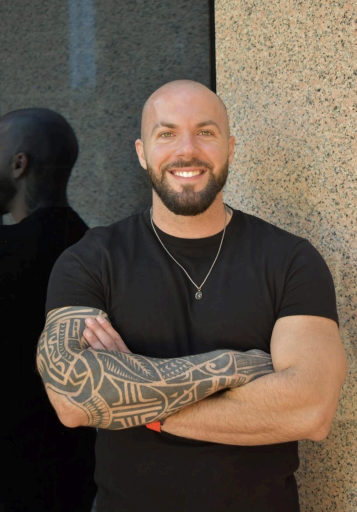
Ali Farhat wants her to know she has not failed. Known online as That Menopause Guy, the Menopause Weight Loss and Hormone Specialist has built his work on a disarmingly simple idea. When the strategies that worked at thirty stop working at fifty, the problem is rarely a lack of discipline. The body has changed, and the plan has to change with it.
A Son Watches, and a Career Changes Course
Farhat did not set out to work in women’s health. He earned a bachelor’s degree in kinesiology and spent roughly six years as a personal trainer and coach, helping clients build strength, improve body composition and rethink their nutrition. It was a solid career, grounded in a real understanding of muscle, movement and metabolism.
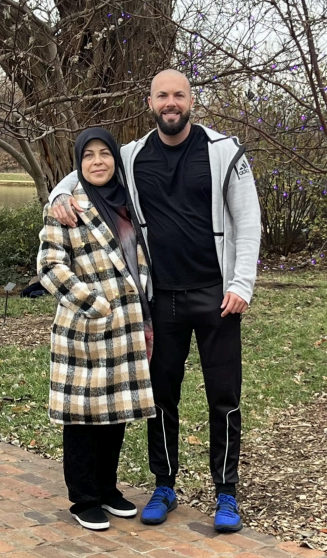
Then his mother went through menopause. She had always been strong and vibrant, yet she stopped sleeping. She cried without knowing why. She gained weight despite eating well and exercising regularly. When she went to her doctor for answers, her symptoms were weighed one at a time, through the lens of conditions such as depression and sleep apnea, with medications discussed for each. Farhat kept returning to a question nobody seemed to be asking: was anyone looking at the whole picture, including the hormonal transition she was living through?
He did not have the answer, so he went looking for it. He studied women’s hormonal health and became a certified women’s holistic hormone practitioner. Then he combined that knowledge with everything he knew about exercise and nutrition and set about helping his mother. She lost 40 pounds and, more importantly, began to feel like herself again. He calls it the greatest accomplishment of his life. He tells the story in full in his interview on Menopause: The Real Deal.
It also turned out that his mother’s story was far from unique. The women who began finding him described the same pattern: sudden insomnia, anxiety that arrived from nowhere, weight that refused to shift, a fading libido, strain in their closest relationships. “I don’t even recognize myself anymore,” they told him, again and again.
“Get a Uterus and Then Come Talk to Me”
Not everyone welcomed him. Farhat has been told, more than once, that a man has no business speaking about menopause. One woman’s reply was blunt: “Get a uterus and then come talk to me.” He admits the words landed. He wondered whether the critics were right, and whether his passion had carried him into a space where he did not belong.
The work itself changed his mind. Each woman who finally understood what was happening in her body, and who regained her energy and confidence, put more fire under him. The question shifted from “Do I belong here?” to “How can I use my position to help?”
His answer is a humble one. He will never know what menopause feels like, and he does not pretend to. His role is to listen, keep learning and use his platform to make women’s voices louder. Being a man, he realized, also gives him a way in. Plenty of husbands and partners watch the woman they love change and mistake exhaustion for rejection, or a lost libido for a problem in the marriage. Farhat wants those men to understand before they judge.
“I don’t need to have a uterus to listen to women,” he says.
Beyond Hot Flashes: Seeing the Whole Woman
His approach refuses both easy answers. He does not believe every symptom is hormonal, and he does not tell struggling women to simply eat less and exercise more. He begins with a comprehensive blood panel, then looks at nutrition, resistance training, metabolic health, sleep, stress and lifestyle. For the right candidate, hormone therapy is part of the conversation, always in collaboration with qualified medical professionals. Two women of the same age, weight and symptoms can have entirely different puzzles behind them, he explains, and his job is to understand the woman before he tries to solve the problem.
The results are measured in more than pounds. One woman he worked with had reached roughly 230 pounds while living with diabetes, hypothyroidism and hypertension, and had nearly stopped believing change was possible. Through major shifts in nutrition, lifestyle and daily habits, she lost around 80 pounds. What stays with Farhat, though, is watching her believe in herself again.
He sees menopause as a shift in identity as much as in hormones. That was the heart of his conversation with Dr. Sherrie Campbell, who is known for her work on toxic family dynamics. They discussed why so many women, after decades of putting everyone else first, reach this stage and begin setting boundaries, leaving unhealthy dynamics and no longer apologizing for looking after themselves. Anyone who wants to hear that discussion in full can listen to his episode of Sherapy Sessions with Dr. Sherrie Campbell.
The Most Neglected Women in the World
One sentence from a woman he spoke with has never left him: “Women going through menopause are the most neglected women in the world.” The longer he works, the more he understands it. These are women who spent decades holding everything together, only to arrive at a stage where they cannot sleep, their desire fades and the people around them ask why they are so tired, so emotional, so uninterested. Some begin to answer for themselves. I’m lazy. I’ve let myself go. Maybe this is just who I am now.
Farhat intends to change that conversation, and his ambition matches the size of the need. He is building a platform for menopause education and women’s health, a place where women can find credible information, feel understood and learn about this transition before they are suffering through it. He wants to reach millions. He wants husbands, sons, fathers and employers in the room, too. He also envisions a more complete model of support that connects education on hormones, nutrition, strength training, sleep and stress with appropriate care from healthcare professionals, so that no woman is left to assemble the pieces alone.
For now, that mission is already within reach. Women ready to take a first step can visit his Linktree, which gathers client transformation interviews, his free menopause weight loss training, a free consultation and information on scheduling a complimentary hormone therapy consultation. Partners who want to understand what the woman beside them is going through can hear Farhat make the case for men’s education on The Diana Show.
Menopause may change who a woman is. It never has to decide who she is still becoming.
More from Media & Influence
From Italy to Apple and Back to Herself: Lauretta Zucchetti on Unlearning Who She Was Taught to Be
Lauretta Zucchetti is an author, motivational speaker and transpersonal coach who helps women unlearn who they were taught to be so they can become…

France Has Built an Emergency Service for Independent Cinemas and Signed Up Twenty Directors
IRIS is designed to intervene quickly when a cinema, distributor or nonprofit network is at risk, on the argument that exhibition cannot relocate the…
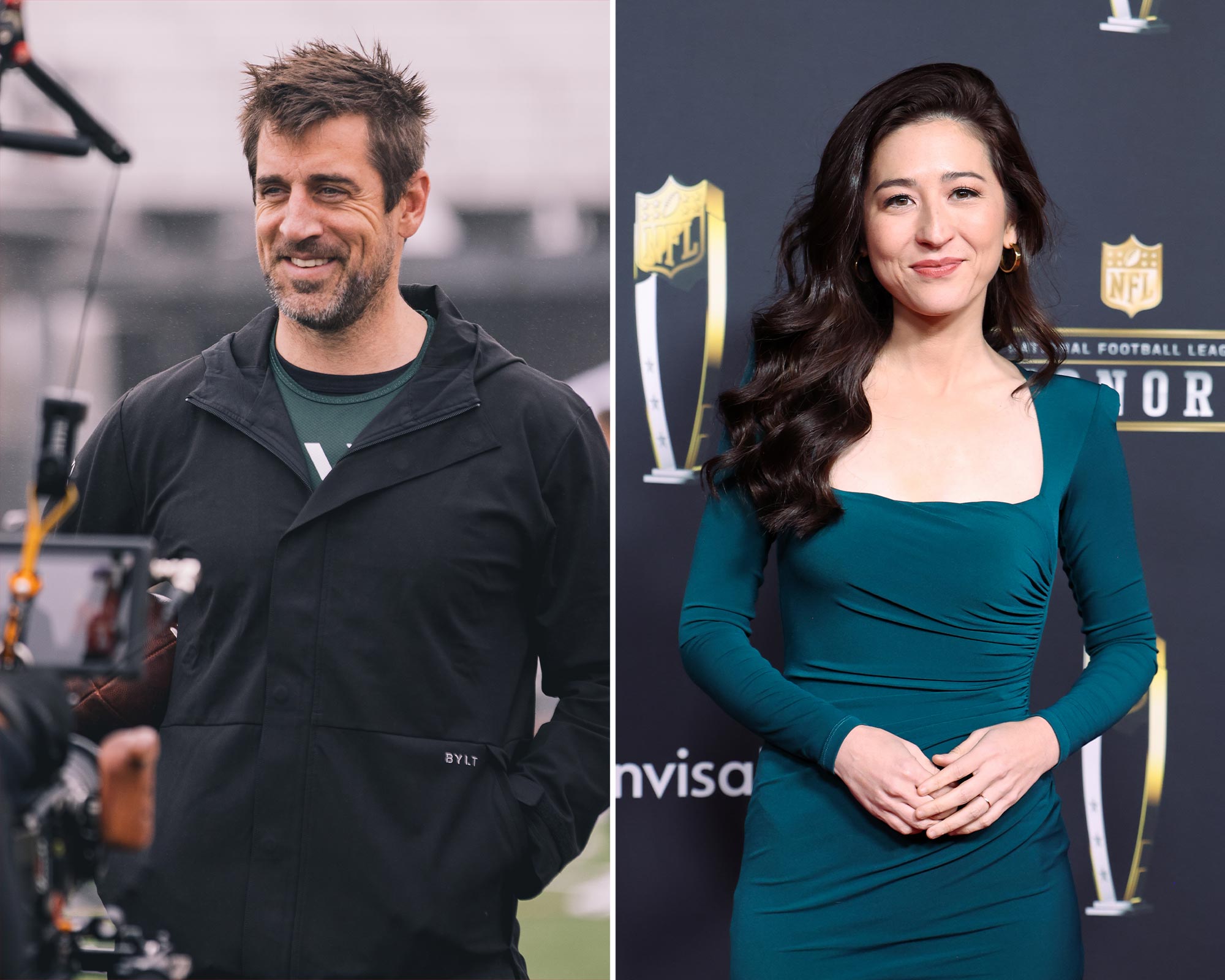
Aaron Rodgers Says the Sports Media Turned on Him Over Covid, and One Analyst Has Answered
The quarterback argues that people who were friendly stopped being friendly once he took a position, and the analyst he named says that was never…