Kimmel Says the FCC Threatened His Network Over a Guest Booking, So the Interview Goes to YouTube
A sitting senate candidate will appear on a late-night show that cannot broadcast him, after what the host describes as pressure aimed at his affiliates.
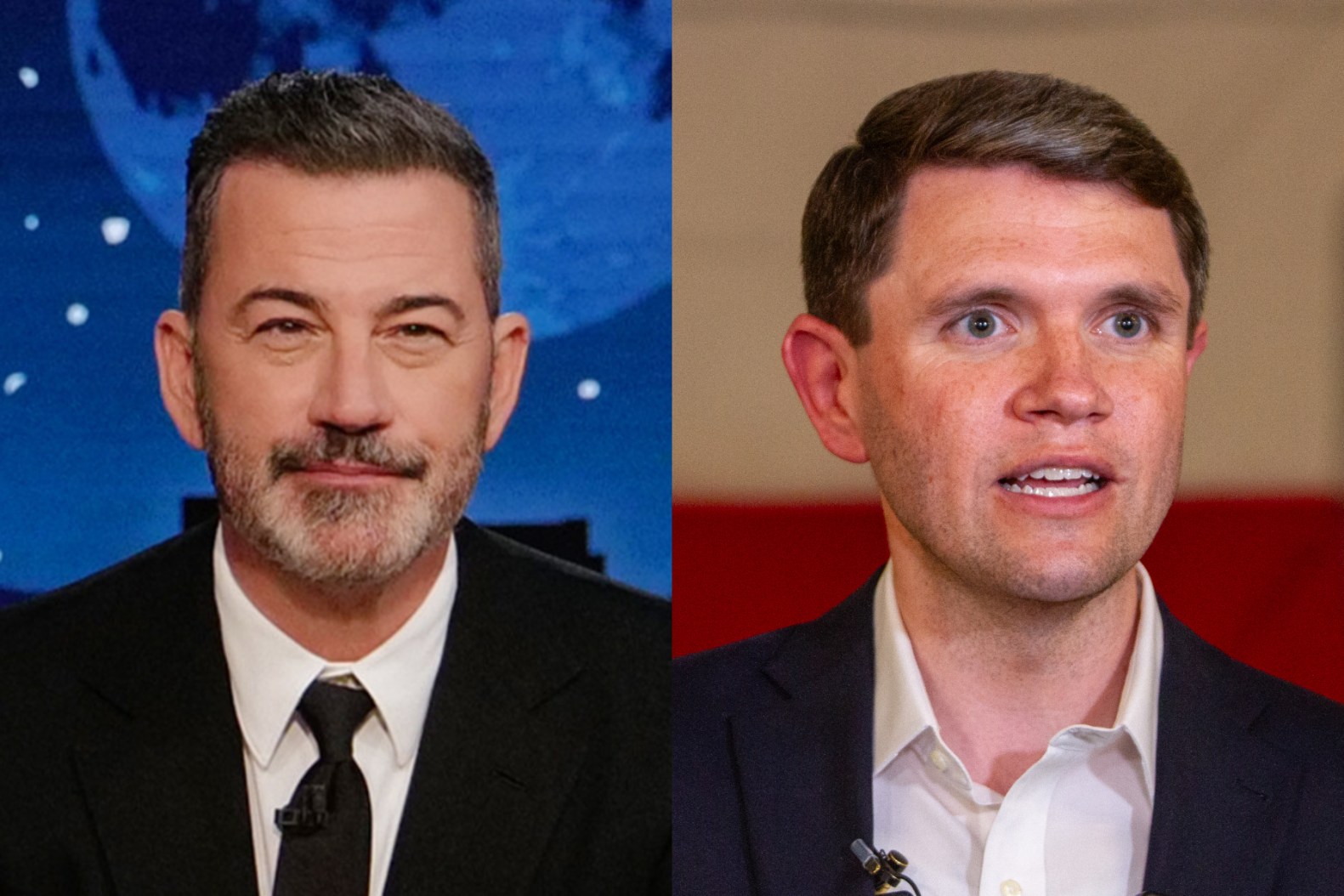
Jimmy Kimmel told his audience on Wednesday that his interview with James Talarico, the Democratic Senate candidate in Texas, would not be shown on television.
Talarico would still come on the following night. The interview would go to YouTube instead.
The reason Kimmel gave was that the Federal Communications Commission had threatened him, his show, ABC, the network's affiliates and its local stations.
What he said
"Tomorrow night, I'll be interviewing James Talarico," Kimmel said. "Tomorrow night, under unusual circumstances."
He set out what the circumstances were by describing how ordinary the booking would normally be. For the whole of the show's more than twenty years, he said, he has interviewed Americans running for office without any difficulty at all, just as Letterman did, and Leno, and Arsenio.
Then the specific claim. The commission, he said, "has threatened me, threatened our show, threatened our network, ABC, our affiliates, our local stations, based on simple, traditional editorial decisions, guest bookings it would seem they don't like."
His stated reason for pulling the segment off air was not his own exposure. It was consideration for the local stations, and particularly the ABC affiliates in Texas, who would be the ones dealing with the consequences.
Based on simple, traditional editorial decisions, guest bookings it would seem they don't like
The precedent he reached for
The argument Kimmel made was not about partisanship, and the example he chose is the reason.
He interviewed Trump in 2015, while Trump was running for president. At that time, Kimmel noted, when it was Trump sitting next to him, he seemed to have no problem with the idea of talk show hosts interviewing candidates. Kimmel added that Trump had been very eager to come back before becoming the nominee in 2016.
That is a narrow, factual point rather than a rhetorical one. The practice being objected to is a practice the objector previously used.
Why the affiliates are the pressure point
The structure of the threat matters more than the threat itself, and it explains why a national programme responds to it.
A network can absorb a regulatory fight. Local affiliates cannot. They hold the licences the commission administers, they operate on far thinner margins, and they have no involvement whatsoever in who a late-night show books.
Applying pressure at that level means the cost of a booking decision made in Los Angeles is borne by station owners in Texas who had no part in it. It does not require any formal action to work. It only requires the affiliates to believe the risk is real.
Which is why the segment moved to YouTube rather than being cancelled. The content was not the problem. The transmission was.
There is a second reason the mechanism is effective, which is that it leaves nothing to appeal. A formal ruling can be challenged, reported and overturned. A conversation that makes a licence-holder nervous produces the same outcome and generates no document, no proceeding and no record anybody can point at afterwards. The decision that gets made is a commercial one, taken by a station manager, and it looks from the outside like an ordinary scheduling choice.
The race underneath it
Talarico is in a close contest against Ken Paxton, the state attorney general and Republican nominee.
The context for how unusual that is: Democrats have not won a statewide federal seat in Texas in more than thirty years. A competitive race there is itself the story, and national exposure is worth more to a candidate in that position than to almost anyone else on the ballot.
The interview will happen. It will reach whoever seeks it out online rather than whoever had the television on, which is a smaller and more self-selected audience.
That difference is the whole effect, and it was achieved without anything being formally banned.
More from Media & Influence

France Has Built an Emergency Service for Independent Cinemas and Signed Up Twenty Directors
IRIS is designed to intervene quickly when a cinema, distributor or nonprofit network is at risk, on the argument that exhibition cannot relocate the…
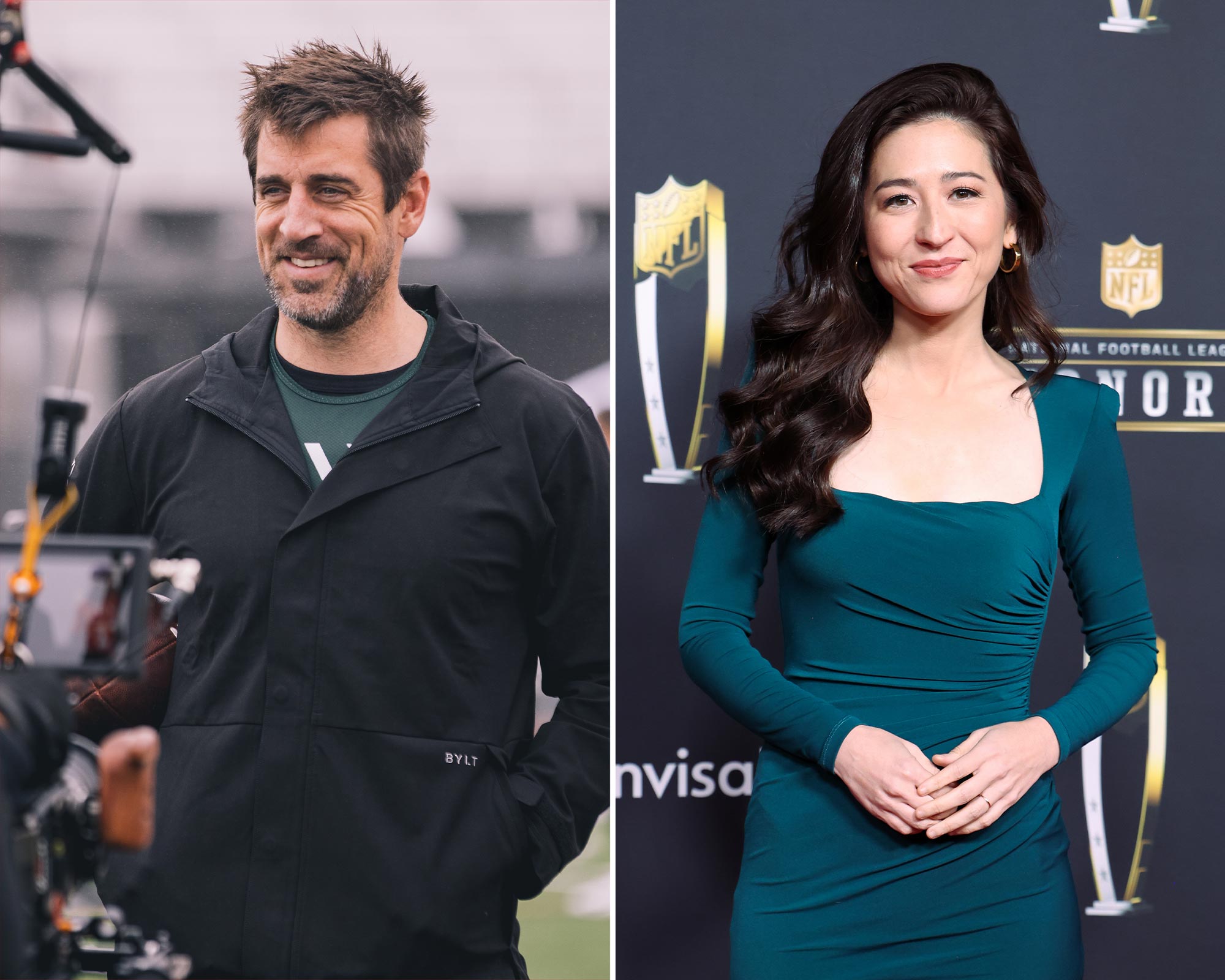
Aaron Rodgers Says the Sports Media Turned on Him Over Covid, and One Analyst Has Answered
The quarterback argues that people who were friendly stopped being friendly once he took a position, and the analyst he named says that was never…

A Co-Hosted Podcast Has Come Back With a New Co-Host, Six Weeks After the Hosts Disagreed
Sophie Cunningham's show returns under a new name with a basketball trainer in the second chair, and neither she nor West Wilson has explained the…