The Hidden Museum Nobody Can Find, and the Man Building Its Map
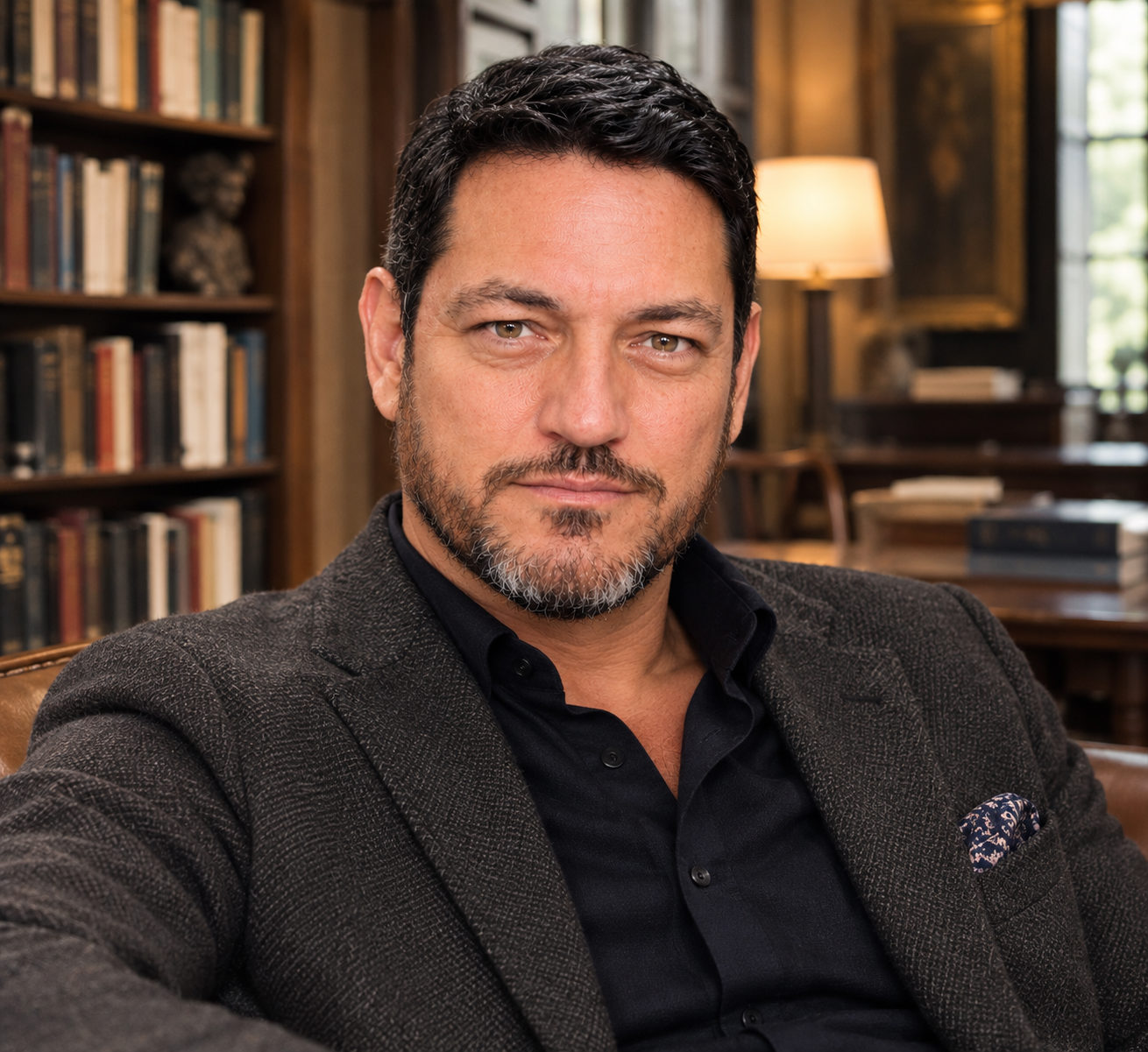
IDbGLAM founder John Suau wants every overlooked museum to be found.
The Hidden Museum Nobody Can Find
Somewhere in the world, a small museum holds a collection that could stop you in your tracks. Almost nobody can find it. For decades, John Suau watched that happen. He ran museums, led heritage organizations, and traveled across continents chasing places that barely existed online. Then artificial intelligence began influencing what travelers see, and a nagging question grew louder: Who makes sure the machines get culture right? His answer is a Baltimore startup with global ambitions and an unusual promise to the institutions it serves. What he is building, and why it could change how the world finds its stories, starts here.
What Decades Inside Museums Taught Him
Suau’s path began in design. He earned a Bachelor of Fine Arts in Industrial and Product Design at the University of Iowa, followed by a master’s in Arts Administration at American University. Leadership roles included Executive Director of the Mid-Atlantic Association of Museums, the DC History Center, and The Peale, one of Baltimore’s historically significant cultural institutions. Years in the United States, Spain, and Italy gave him a wider perspective on the pressures cultural organizations face worldwide.
From the inside, the problem was clear. The sector overflows with extraordinary content, yet its information remains scattered. Smaller institutions, often without marketing budgets, stay hidden while search engines and AI planners increasingly shape where people go next.
Building a solution meant creating an affordable platform for organizations with vastly different resources. Suau also needed a sustainable business model without erecting barriers to participation. IDbGLAM now approaches 3,000 organizational listings, with new tools allowing cultural organizations to create and claim their listings. Basic listings and public discovery remain free, while payment infrastructure for optional enhanced services is established.
Now pursuing an iMBA at the University of Illinois Urbana-Champaign, he combines cultural experience with strategy, marketing, and technology.
The Big Bet: Culture the World Can Trust
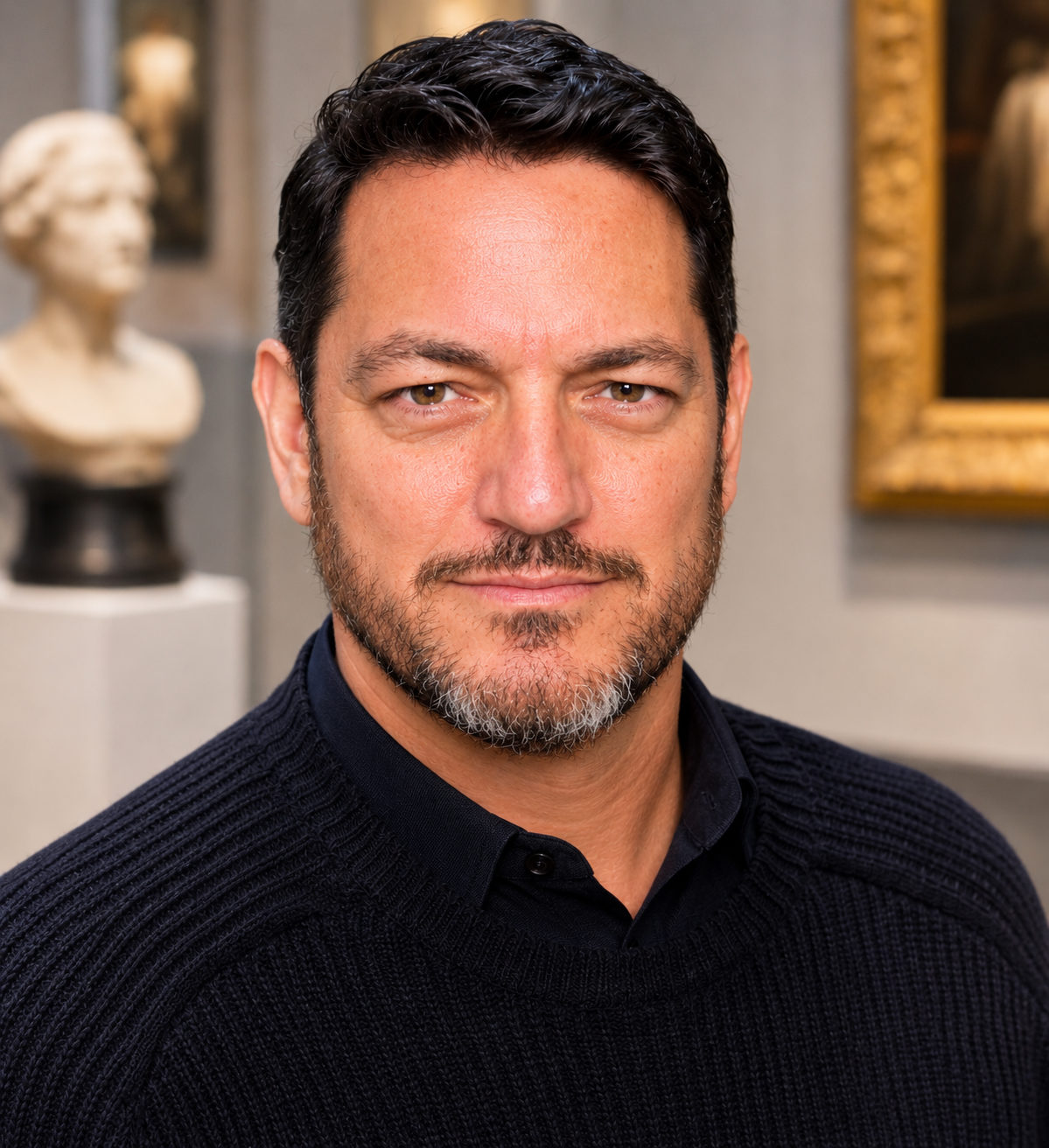
IDbGLAM, the International Database of Galleries, Libraries, Archives, and Museums, is being built as trusted cultural information infrastructure for the AI generation, not simply a directory.
Recent news about Google highlights how rapidly search and discovery are changing. As people increasingly turn to AI for answers and recommendations, accurate, verified cultural information becomes essential. That is the opportunity IDbGLAM aims to address.
Baltimore is its first demonstration market, but the ambition is global. Suau is beginning to explore partnerships around this model, with the long-term ambition of making IDbGLAM a trusted source of verified cultural information for tourism organizations, technology platforms, and AI discovery services. A central part of its public-benefit business model is a commitment to return 10% of revenue to the cultural sector.
Somewhere, that small museum is still waiting to be found. Suau is building the map.
More from Tech

Fred Anthony on Building AI That Learns From Experience
The technology executive and Surely Networks co-founder draws on hands-on engineering experience to explore AI that learns from evidence while…
PlayStation Cancelled Kojima's Next Game in June and Xbox Has Picked It Up
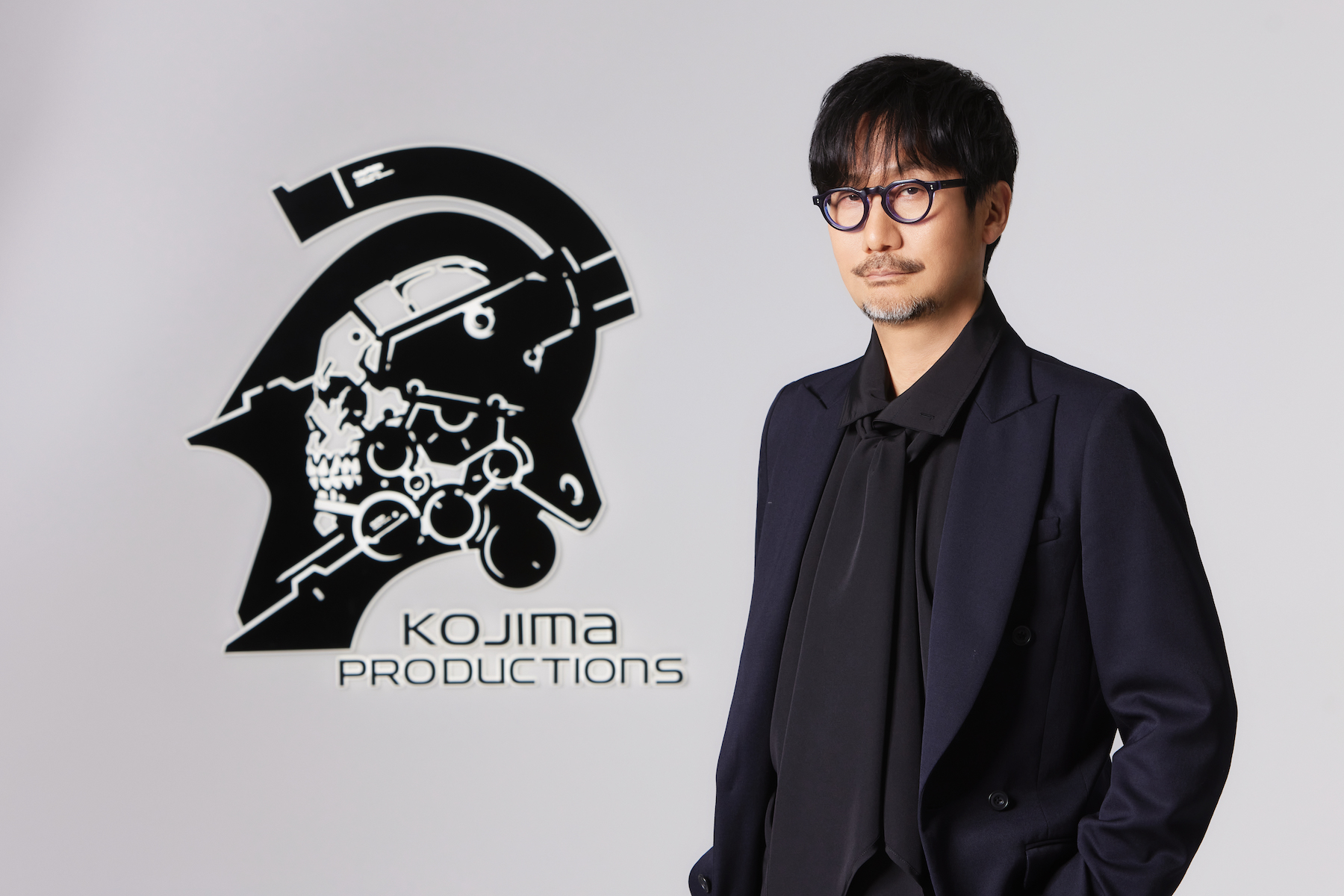
Physint moves to Microsoft after three decades of work between Hideo Kojima and Sony, and the new deal extends into film and television.

Fewer Than One in Ten Enterprise Applications Is Fully Observable, and Agents Are Now Writing the Code
Missing visibility used to slow human teams down, but agents now deploy at machine speed into estates that nobody can fully see, which turns a cost…