Amazon Prime Refund Fund Reopens Over the Gap Between Money Issued and Money Taken
A stipulated order entered in Seattle on 14 September 2026 raises the per-consumer cap from $51 to $200, widens eligibility to Prime subscribers who used up to 20 benefits, and runs the payout programme into September 2027.
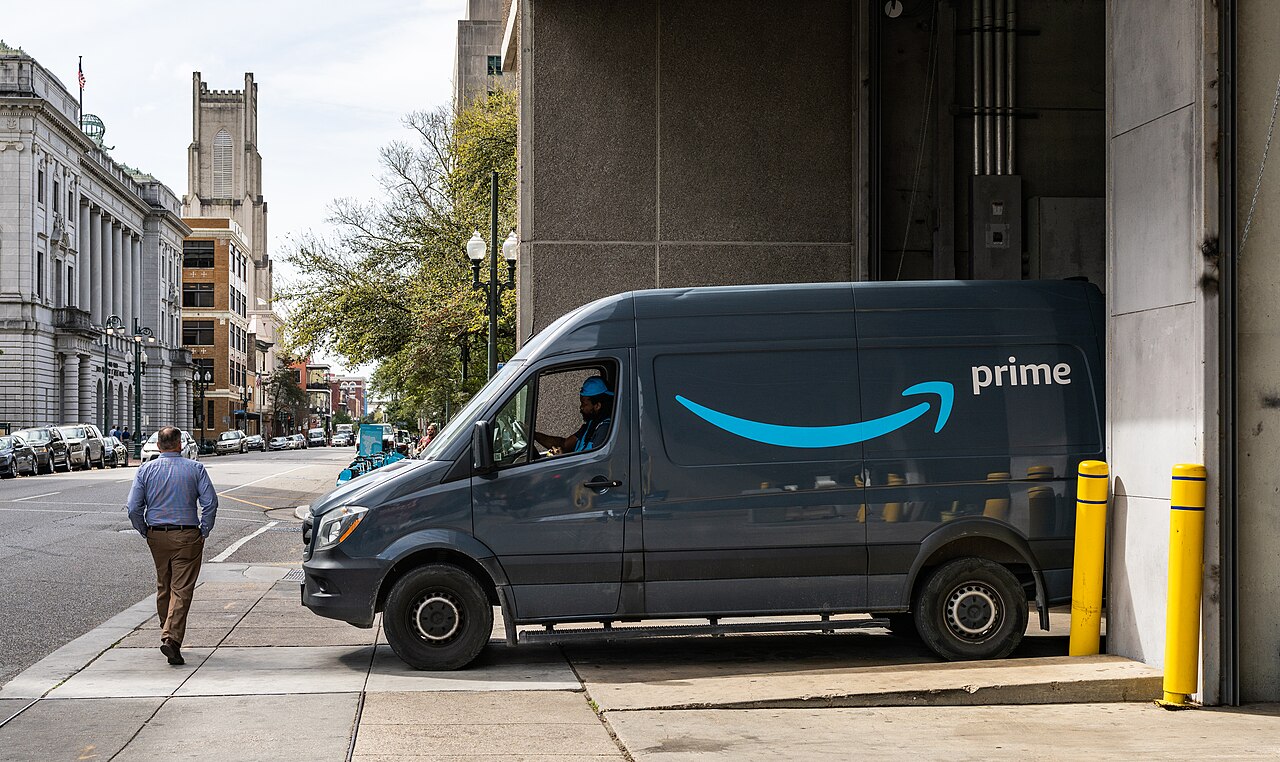
Judge John H. Chun of the US District Court for the Western District of Washington on 14 September 2026 entered a stipulated order, jointly moved by the Federal Trade Commission and Amazon.com, Inc., that rewrites how the rest of the consumer redress fund from last year's Prime settlement is paid out. The Commission announced the change in a press release on 18 September 2026.
The underlying settlement, entered at docket 535 on 25 September 2025, totalled $2.5 billion: a $1 billion civil penalty and up to $1.5 billion in consumer redress, covering an estimated 35 million consumers. The defendants are Amazon.com, Inc., Neil Lindsay and Jamil Ghani, in Federal Trade Commission v. Amazon.com, Inc., No. 2:23-cv-00932-JHC.
Issued is not accepted
The revision turns on a distinction the documents do not treat alike. The FTC's announcements count money issued. The order's $1,000,000,000 floor is satisfied only by money consumers accept. In the figures before the court, the two diverge sharply.
The Independent Claims Supervisor's first report, at dockets 539 and 540, records that by 22 December 2025 Amazon had initiated and released more than 12.5 million automatic payments in the settlement's first phase, totalling over $406 million. At the time of that report, 4,453,722 consumers had accepted an automatic payment, resulting in approximately $146 million actually transferred.
The order's third phase was drafted to trigger if less than $1,000,000,000 had been paid out after the first two phases. The stipulated motion sets out the consequence.
"The Order does not specify how any remaining funds should be distributed to the extent that less than $1,000,000,000 in funds have been accepted."
That silence is why a further round of payments exists. By the supervisor's second report, at docket 542, Amazon had attempted automatic payments to 13,181,622 consumers and 6,553,852 consumers had accepted payment, about 2.1 million more than in the prior reporting period. As of September 2026 the FTC says Amazon has issued more than $845 million in redress payments. It publishes no figure for how much of that sum has been accepted.
What the revised order changes
The 2025 order set a three-phase process. The automatic pay out, under section X.A, covered consumers who enrolled through a challenged enrollment flow and used no more than 3 Prime benefits in any 12-month period after enrolling. The claims process, under section X.B, covered consumers who signed up through a challenged flow, or who entered but failed to complete online cancellation, or who inadvertently took a save offer during it, and who used no more than 10 benefits in any 12-month period. The last day to submit a claim form was 27 July 2026.
The revised order widens eligibility to consumers who used no more than 20 benefits, raises the cap on what any one consumer can receive from $51 to $200, makes all remaining payments automatic with no claim form, and extends the distribution programme into September 2027. Payments go out through Venmo, PayPal or a mailed check, with no claim form or notice response required. Eligibility requires that the consumer signed up through one of four challenged enrollment flows, or tried and failed to cancel online, between 23 June 2019 and 23 June 2025.
The escalation mechanism was rebuilt. As drafted it added one benefit to the threshold at a time, each cohort refunded membership fees capped at $51, until $1,000,000,000 was reached.
"The Parties agree that issuing payments one benefit group at a time will extend the time for receiving payment to the later cohorts many months beyond the concluding date for the Consumer Fund Distribution Process (January 25, 2027) and will unnecessarily delay redress."
The parties therefore agreed Amazon may escalate in aggregate batches of multiple benefit groups at once.
The timetable, and what is still unknown
By 30 August 2026 Amazon's claims administrator began paying every claims-process eligible consumer in its business records, including those who filed an invalid claim form and those who filed none, unless already paid. Payments issued before 25 June 2026 and not accepted as of 15 September 2026 were voided on 15 September 2026 and need not be reissued.
By 1 October 2026 the administrator begins automatic payments to what the order calls Escalation Eligible Consumers, those who used between 11 and no more than 20 Prime benefits in any 12-month period of enrollment, excluding anyone already issued a payment. Recipients get at least 60 days to accept; a payment not accepted is voided on or after 5 March 2027.
By the end of March 2027 Amazon must reconcile the fund to determine the exact amount accepted. If less than $1,000,000,000 has been accepted, the administrator issues pro rata payments from the remaining funds, up to that figure, to every eligible consumer who used no more than 20 benefits and who previously accepted a payment. Those payments begin by the end of April 2027, are issued in the form the recipient previously accepted, and carry at least 60 days to accept.
"The $149 cap for pro rata payments dovetails with the $51 cap set out in the Order for payments issued in the Automatic Pay Out, Claims Process, and Escalation phases such that no Eligible Consumer will receive more than $200 in total across all phases of the Settlement Program."
Section IX of the 2025 order is amended to let the programme run until 10 September 2027, with the claims supervisor's final report due no later than 15 October 2027.
Christopher Mufarrige, director of the FTC's Bureau of Consumer Protection, said in the Commission's release: "The revised order will ensure more consumers who were harmed by Amazon's deceptive enrollment and cancellation practices benefit from the FTC's historic settlement." Amazon, not the FTC, administers the programme; the Commission says it is not contacting people about refunds in this matter and that anyone claiming to be is likely running a scam.
Several things remain unestablished. The FTC says the widened threshold reaches millions of additional consumers but gives no figure for the size of the 11-to-20-benefit cohort, and no current total for money accepted is published, only the $845 million issued. If the fund is still short after the pro rata round, the order lets Amazon either issue another round or send the money to the US Treasury as part of its civil penalty, and does not predict which. Neither Amazon's claims administrator nor the court-appointed Independent Claims Supervisor is named in the release, the refund page or the order. The supervisor's third report is cited in the stipulation but its figures are not in the retrievable text, and the administrator's own website returned an HTTP 403 response behind a Cloudflare block, so its terms could not be checked against the FTC's description. Amazon has made no statement of its own on the revised order retrievable from a primary source; its position appears as a signature on a joint filing.
More from Tech

PlayStation Cancelled Kojima's Next Game in June and Xbox Has Picked It Up
Physint moves to Microsoft after three decades of work between Hideo Kojima and Sony, and the new deal extends into film and television.

Fewer Than One in Ten Enterprise Applications Is Fully Observable, and Agents Are Now Writing the Code
Missing visibility used to slow human teams down, but agents now deploy at machine speed into estates that nobody can fully see, which turns a cost…

The Cost of Software Is No Longer the Licence, It Is the Number of Places People Have to Look
Every switch between an app, a device and a workflow asks a person to reorient, repeat themselves or make another small decision, and the bill for…