Why Organizations Fail Under Pressure and What Leaders Can Do Before a Crisis Hits
Most organizations have contingency plans. Far fewer are prepared for the human decisions that determine whether those plans succeed.
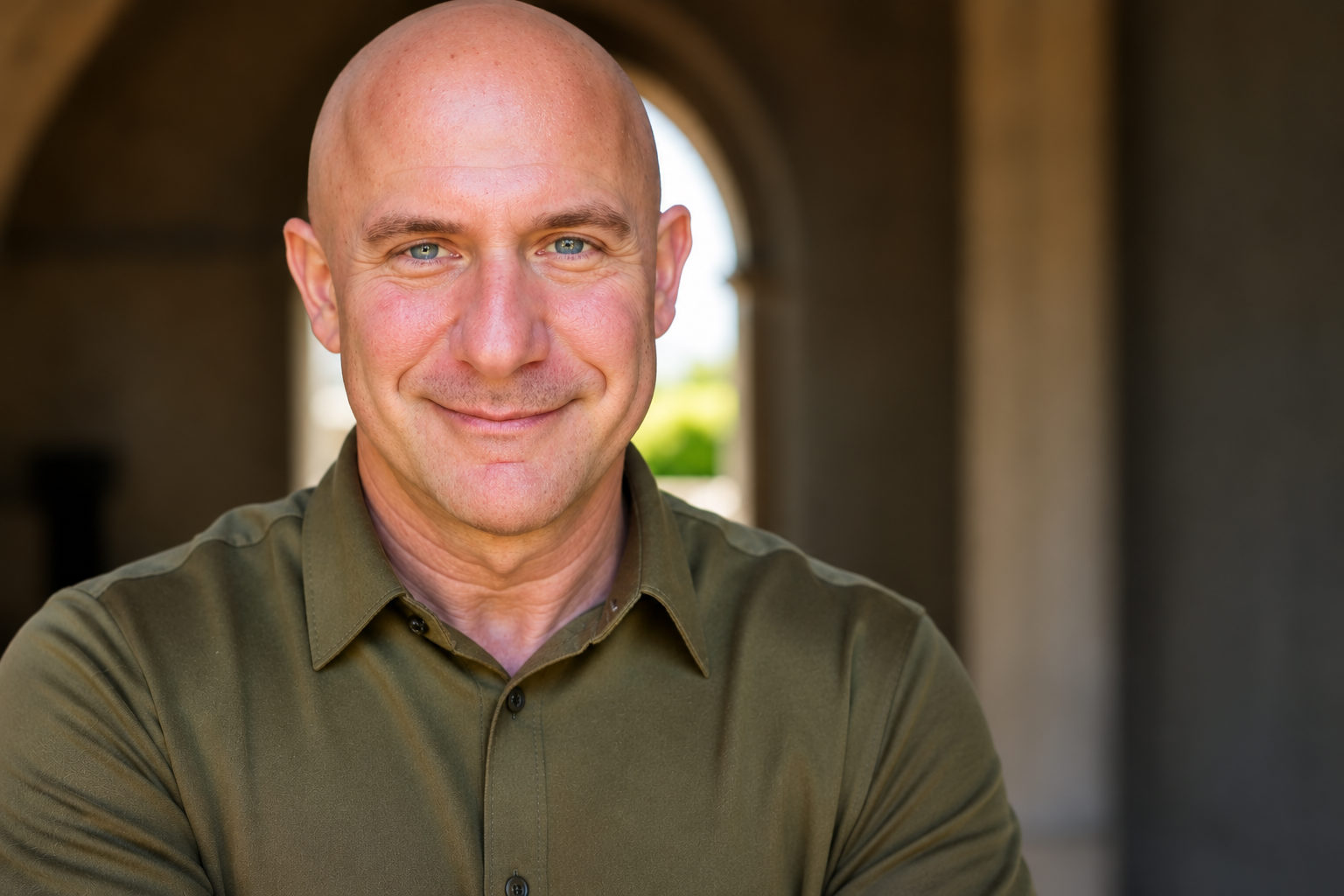
Crisis leadership expert Henry J. Evans explores the hidden vulnerabilities that determine whether organizations withstand disruption or fall apart.
Most organizations have contingency plans. Far fewer are prepared for the human decisions that determine whether those plans succeed.
When a key executive unexpectedly leaves, supply chains break down, or circumstances demand immediate action, even experienced leaders can discover that their greatest vulnerabilities have little to do with the crisis itself.
For Henry J. Evans, author of Bombs, Bacon & Bankruptcy: The Art of Crisis Leadership, effective crisis management begins long before an emergency. It starts with building the leadership capabilities, communication practices, and organizational structures needed to navigate uncertainty.
The Hidden Risks of Leadership Dependence
One experience that shaped Evans' perspective was witnessing the collapse of a friend's family-owned manufacturing business following the death of its founder.
The business had relied heavily on one individual for its direction, institutional knowledge, and critical decisions. When that person was suddenly gone, the organization struggled to survive.
The experience revealed a vulnerability common to many organizations: excessive dependence on individual leaders without adequate succession planning or shared responsibility.
Lessons From National Security
Evans spent more than two decades as a contractor supporting classified U.S. counterterrorism and national-security initiatives across four presidential administrations, holding a Top Secret security clearance.
He later founded Dynamic Results, accumulating more than 16,000 hours of executive coaching and 6,000 hours of strategic planning facilitation with leaders across more than 80 countries.
His experience across these environments reinforced an important leadership principle: uncertainty cannot always be eliminated, but organizations can strengthen their ability to respond to it.
Building Resilience Before Disaster Strikes
In Bombs, Bacon & Bankruptcy, Evans examines three distinct crises: national-security operations connected to Afghanistan and Iraq, COVID-era supply-chain disruptions, and the collapse of a family manufacturing business.
Together, these experiences illustrate how pressure exposes weaknesses in decision-making, communication, accountability, and organizational preparedness.
Evans emphasizes that crisis readiness requires more than written procedures. Leaders must establish clear responsibilities, encourage honest communication, develop succession plans, and ensure critical knowledge isn't concentrated in one person.
These principles apply well beyond major emergencies. Unexpected departures, technological disruption, financial uncertainty, and changing market conditions can all test an organization's resilience.
Ultimately, Evans challenges leaders to reconsider what preparedness really means. The strongest organizations aren't necessarily those with the most detailed plans, but those whose people can adapt, communicate, and make sound decisions when circumstances change.
Learn more: henryjevans.com | Connect with Henry J. Evans on LinkedIn
More from Business

A Mortgage Holding Company Says the Industry Digitised the Paperwork and Left the Work Alone
Swish Holdings argues that twenty years of lending technology turned documents into PDFs without removing a single step, and it is building a stack…
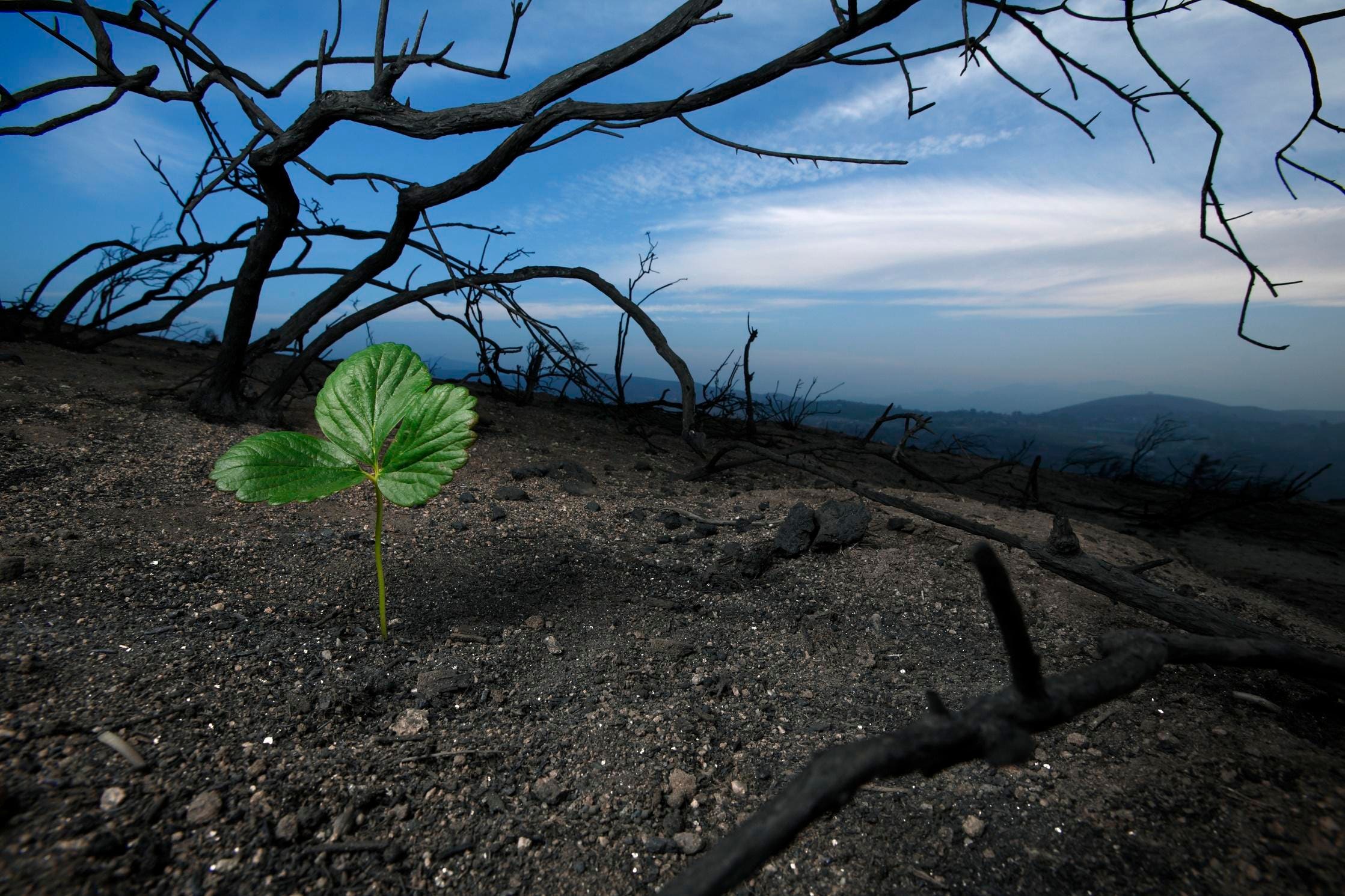
There Is 45 Billion Dollars of Demand for Climate Resilience and Almost Nothing to Sell Into It
Insurers have been pricing this risk with real money for years, and the money that arrives after a disaster is still structured to rebuild exactly…

The Shoebox That Built Austin’s Most Trusted Eyelid Surgeon
Fellowship-trained, a five-time Super Doctor and fiercely kind: how Dr. Malena Amato turned a family shoebox lesson into Austin’s most talked-about…